Eternal Ice

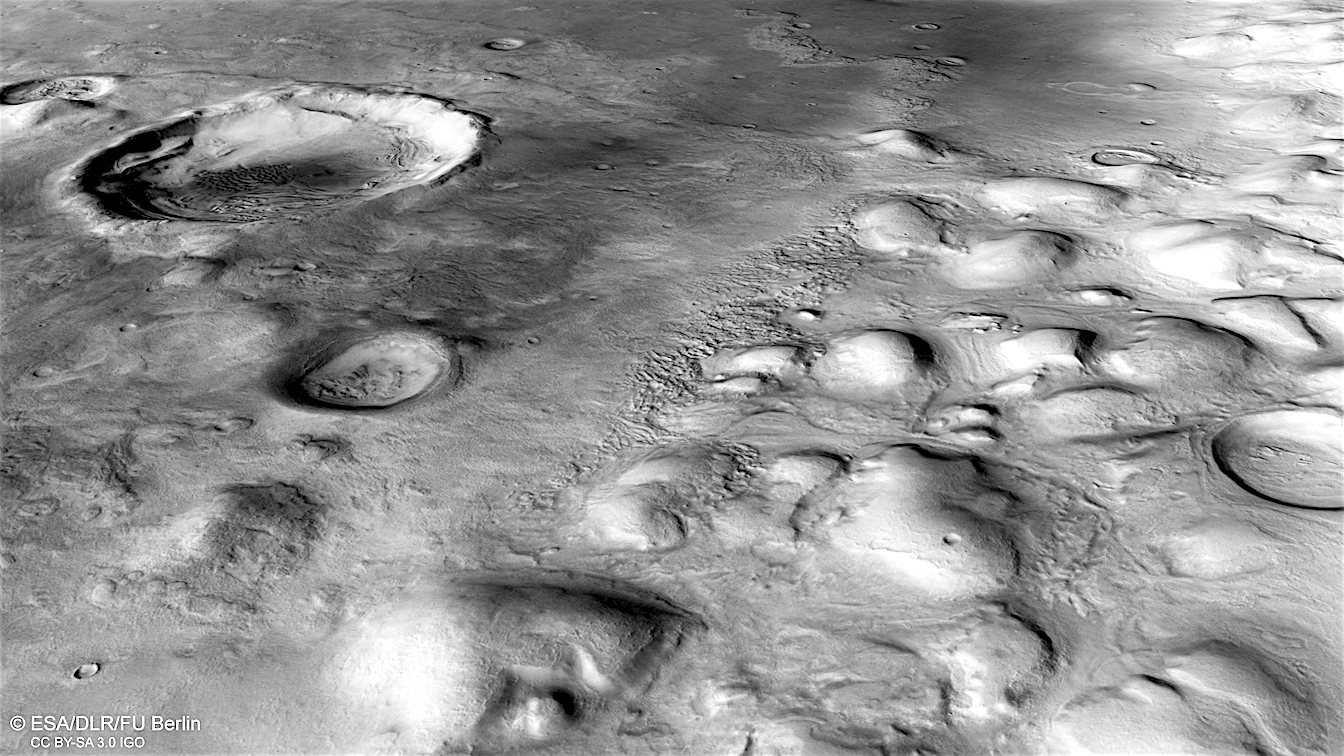
  Oct 17, 2016 Mars is a frozen graveyard. There are geographic regions on Earth that are difficult to explain with conventional theories. Norway and Greenland exhibit deep, brachiated channels that penetrate inland for hundreds of kilometers. The fjords have steep-walled side branch canyons whose outlets are far above the water…

Continue reading

Frozen Deserts

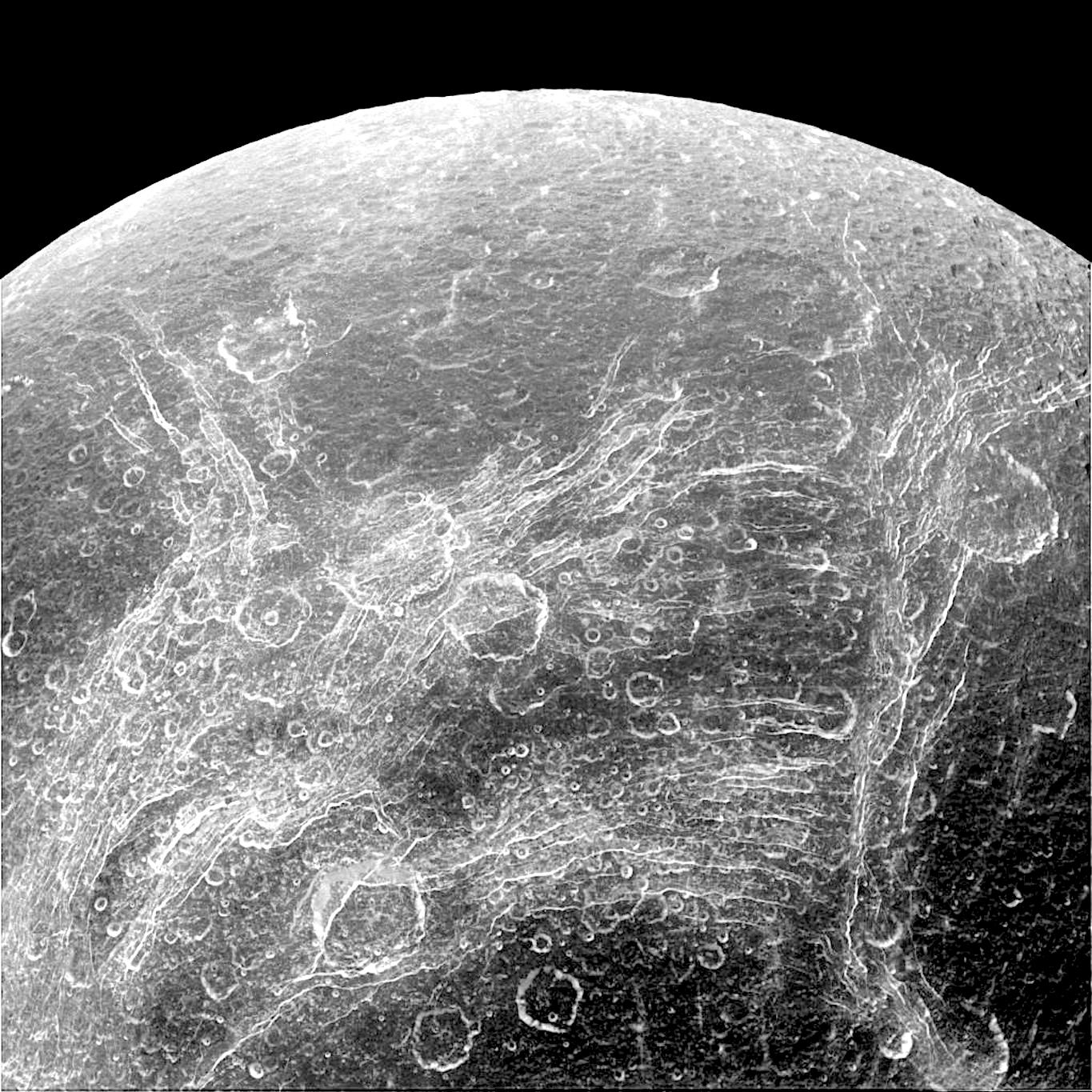
  Oct 14, 2016 Another of Saturn’s moons appears to be all wet. Quickly, bring me a beaker of wine, so that I may wet my mind and say something clever. —Aristophanes According to a recent press release, Saturn’s moon Dione shares a “decoupled” crust “floating” on a subsurface ocean…

Continue reading

Enceladus is Plugged-In

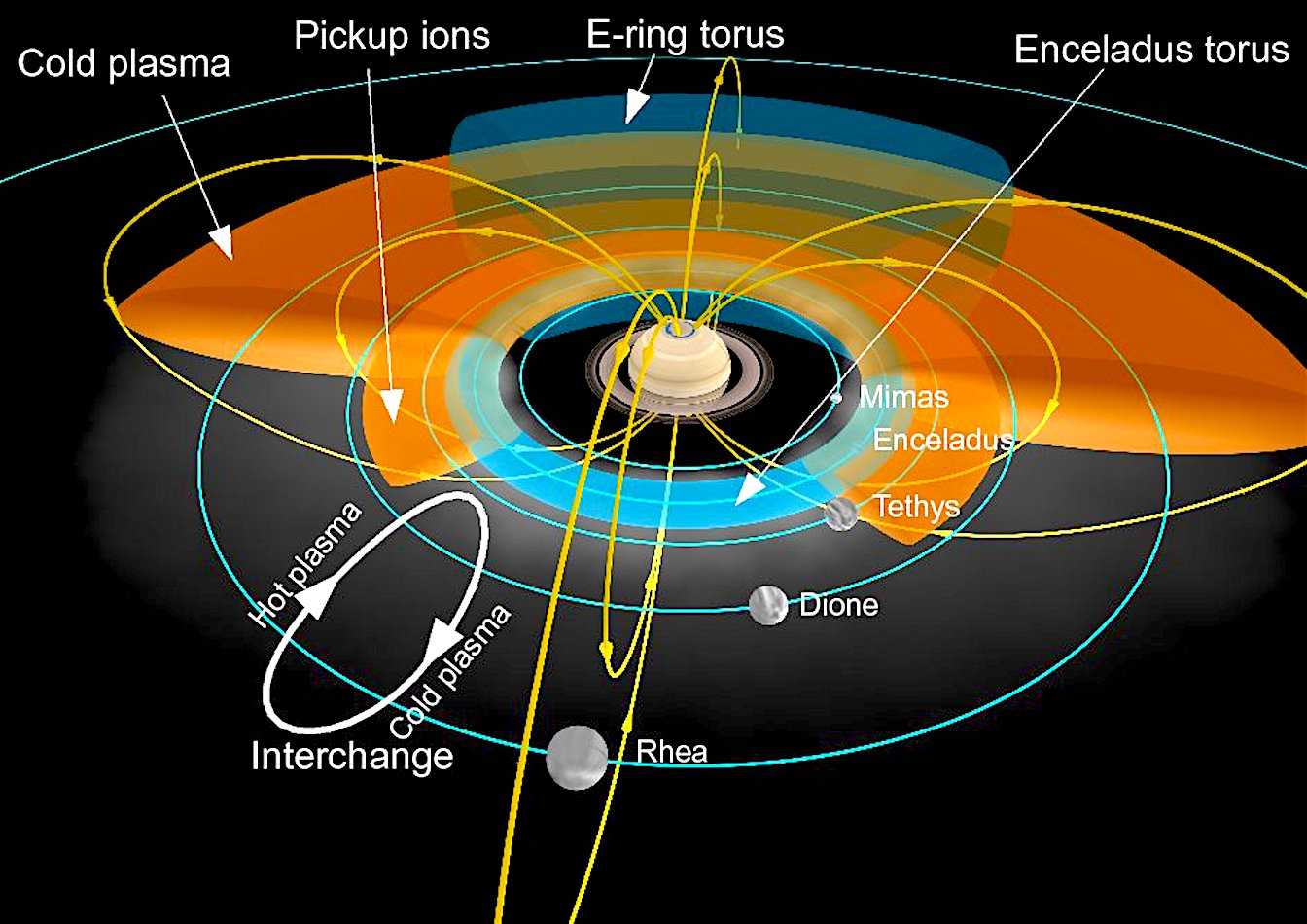
  Oct 13, 2016 Saturn exhibits a circuit between Enceladus and its electrical environment. The Galileo space probe’s mission to Jupiter identified electrical activity between several moons and Jupiter’s vast magnetosphere. What were called “volcanic” plumes erupt from Io, injecting considerable volumes of ionized material into the gas giant’s plasma environment….

Continue reading

Storm Lights

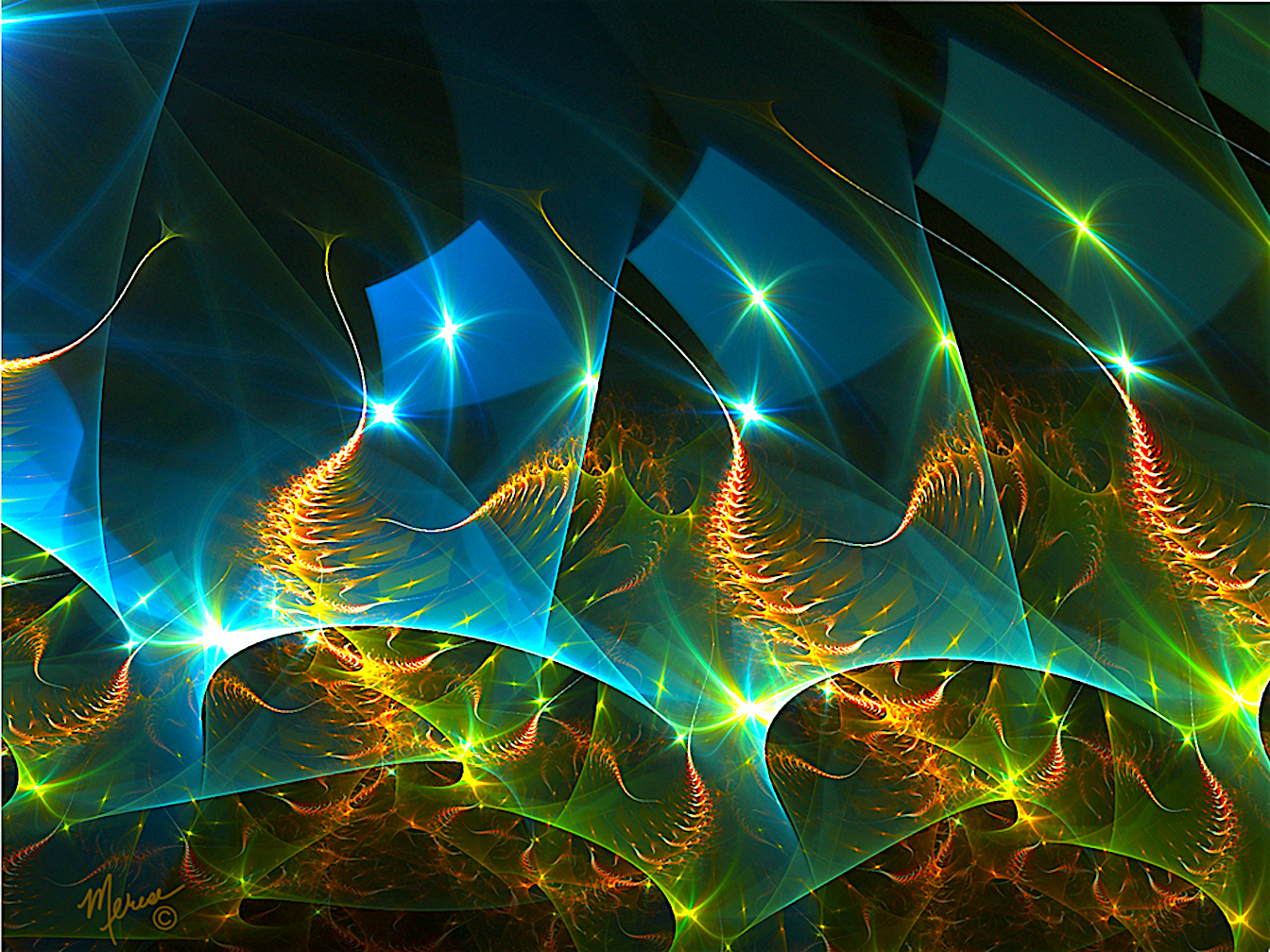
  Oct 12, 2016 The aurorae are not powered by magnetic reconnection. Earth’s northern lights both puzzle and entrance observers. Pierre Gassendi, in 1621, called the curtains of light in the north the Aurora Borealis after Aurora, the Roman goddess of dawn, and Boreas, the Greek name for the north…

Continue reading

Electric Reticulation

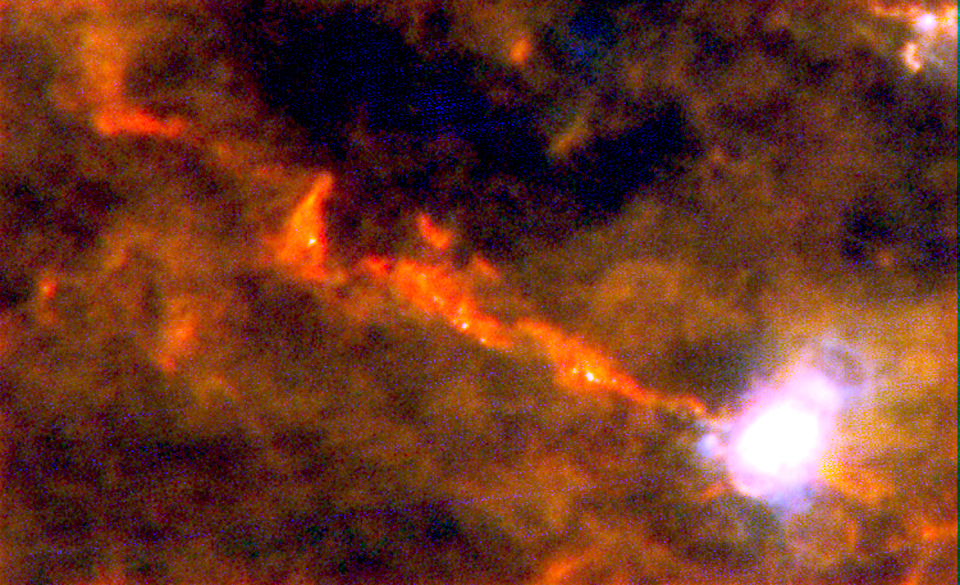
  Oct 11, 2016 Braided filaments stitch the Universe together. The Herschel Space Observatory was launched on May 14, 2009 into an orbit around LaGrange point L2 (behind Earth in relation to the Sun). Herschel’s supercooled infrared detectors were built to last only three years, so its cooling system has long since failed. The…

Continue reading

Small Fry

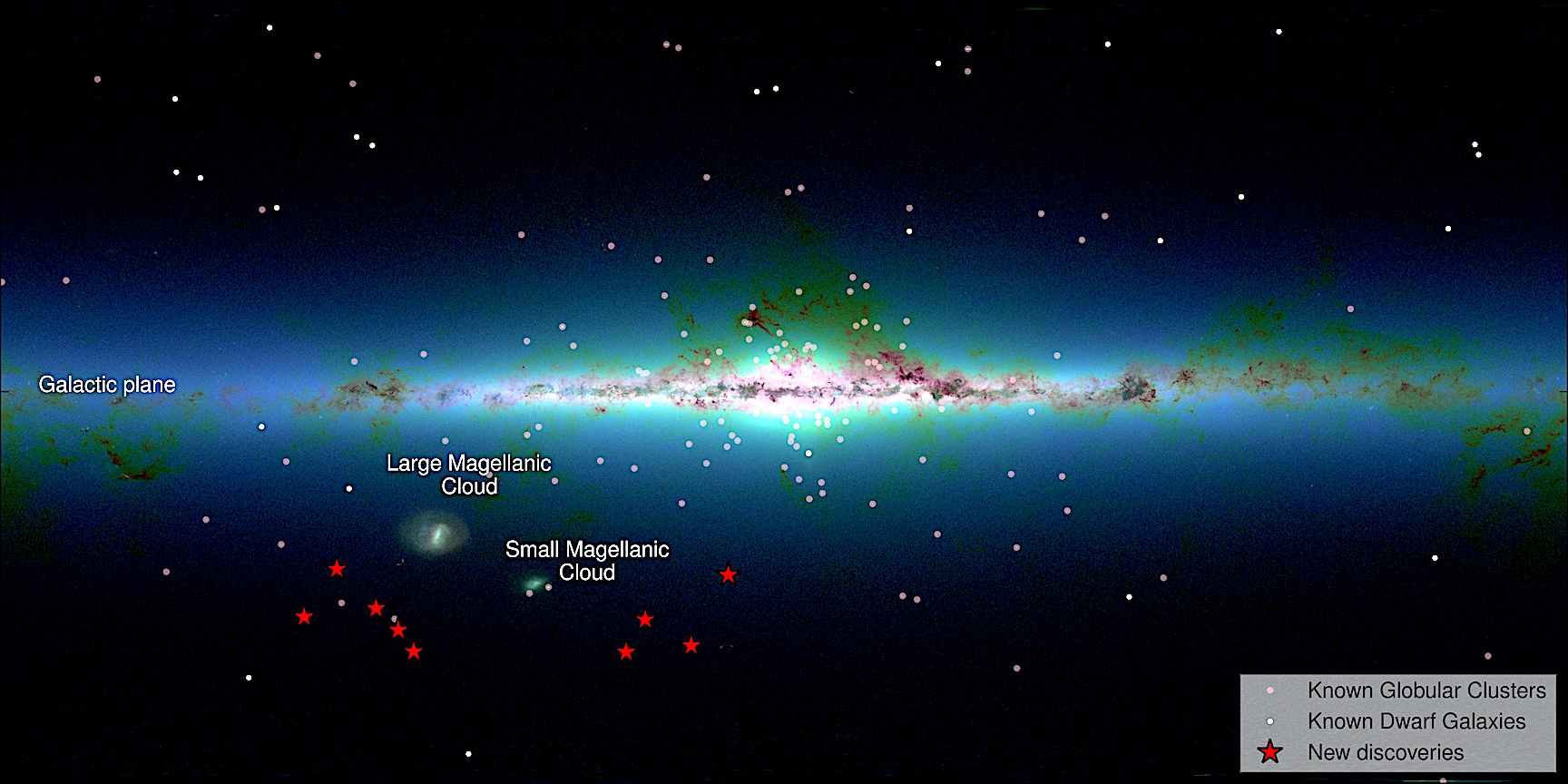
  Oct 10, 2016 Dwarf galaxy evolution is a problem for consensus theories. The Milky Way has at least two smaller companions, the Large and Small Magellanic Clouds. Some astronomers suspect that there are as many as 80 or more. A new predictive model is supposed to help answer the…

Continue reading

Electric Gyres

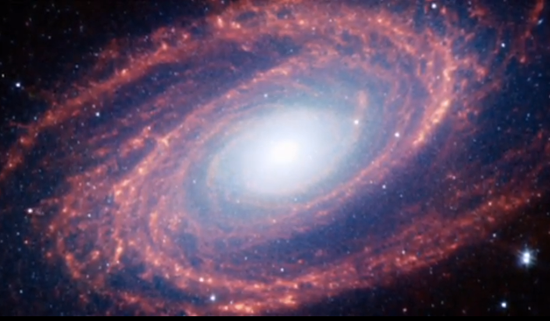
  Oct 7, 2016 Helical structures reveal electrical entities. Spiral structures are common in the Universe. Galaxies, planetary nebulae, hurricanes: all exhibit characteristic shapes that point to electrically induced formations. The term “planetary nebula” was first applied in the early days of telescopic observation, since they appeared to be round,…

Continue reading

The Monocline

thunderblog-andy-hall-monocline

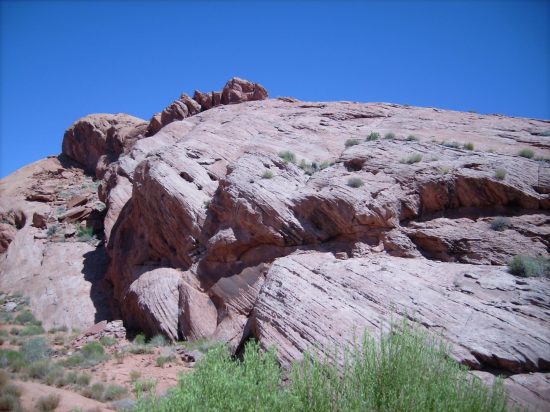
The Monocline By Andrew Hall In previous Thunderblogs, we discussed evidence of electromagnetic and hydrodynamic forces that shaped the landscape with arcing currents in an atmospheric surface conductive path. We theorized these currents sent bolides of plasma jetting through the atmosphere, blow-torching the ground below into craters and mountainous blisters,…

Continue reading