Hot Plasma or Cold Dust?

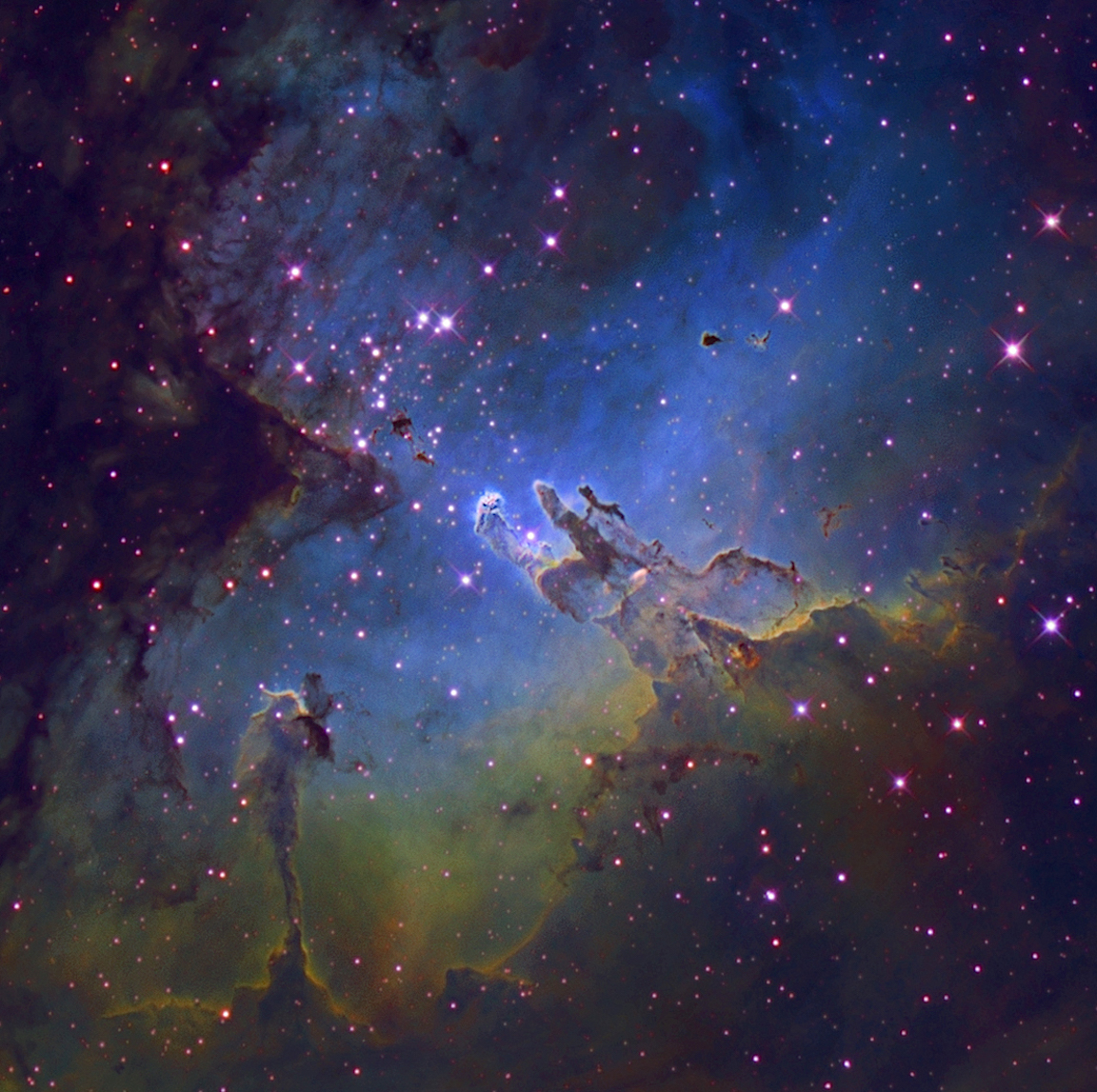
  Aug 13, 2015 Rather than clouds of frigid dust and gas, twisted filaments suggest electric currents in space. The Eagle nebula is an active “star nursery” located in the constellation Serpens, approximately 7000 light-years away. It is a multi-spectral cloud of gas mixed with microscopic particles of dust. The infrared image…

Continue reading

Consequence-free Cosmology

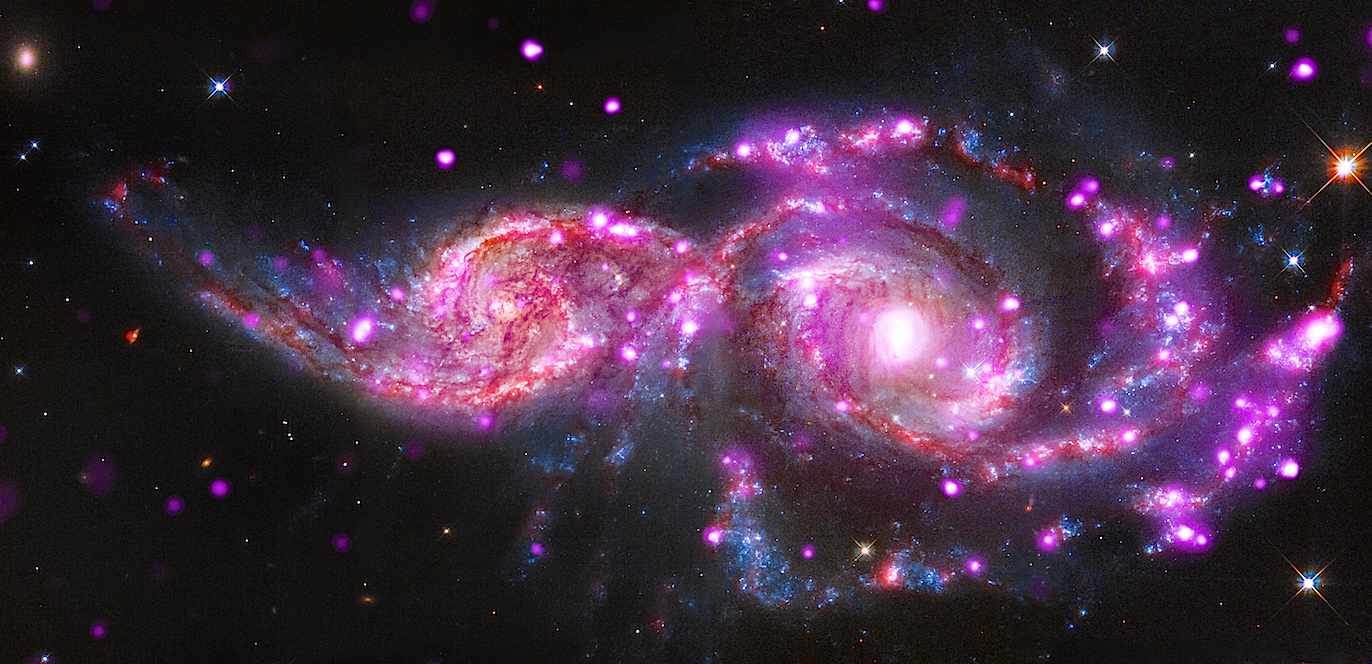
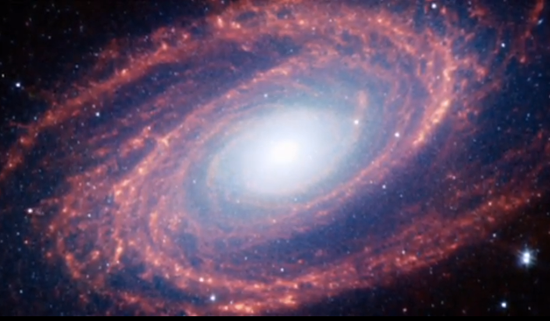
  Aug 12, 2015 These two galaxies appear to be elbowing each other with their spiral arms. The consensus interpretation is that they’re colliding and generating shock waves that initiate gravitational collapse of gas clouds. The collapsing clouds become stars, many of which are extremely massive. These quickly run through their…

Continue reading

Did Van Gogh Paint This?

Thunderblog-on-Craters-by-Andy-Hall-550X440-280x224

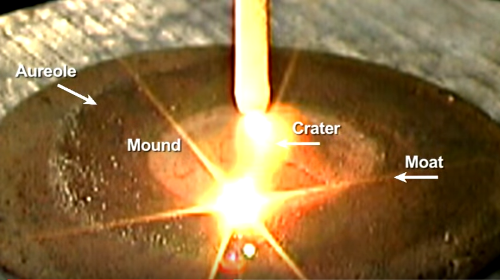
Did Van Gogh Paint This? By Andrew Hall This image shows electromagnetic forces in the Orion Nebula. The dark red areas indicate high energy in the star forming regions. It’s hard to believe, but mainstream science still does not acknowledge these forces have anything to do with making stars or…

Continue reading

Co-Dependent

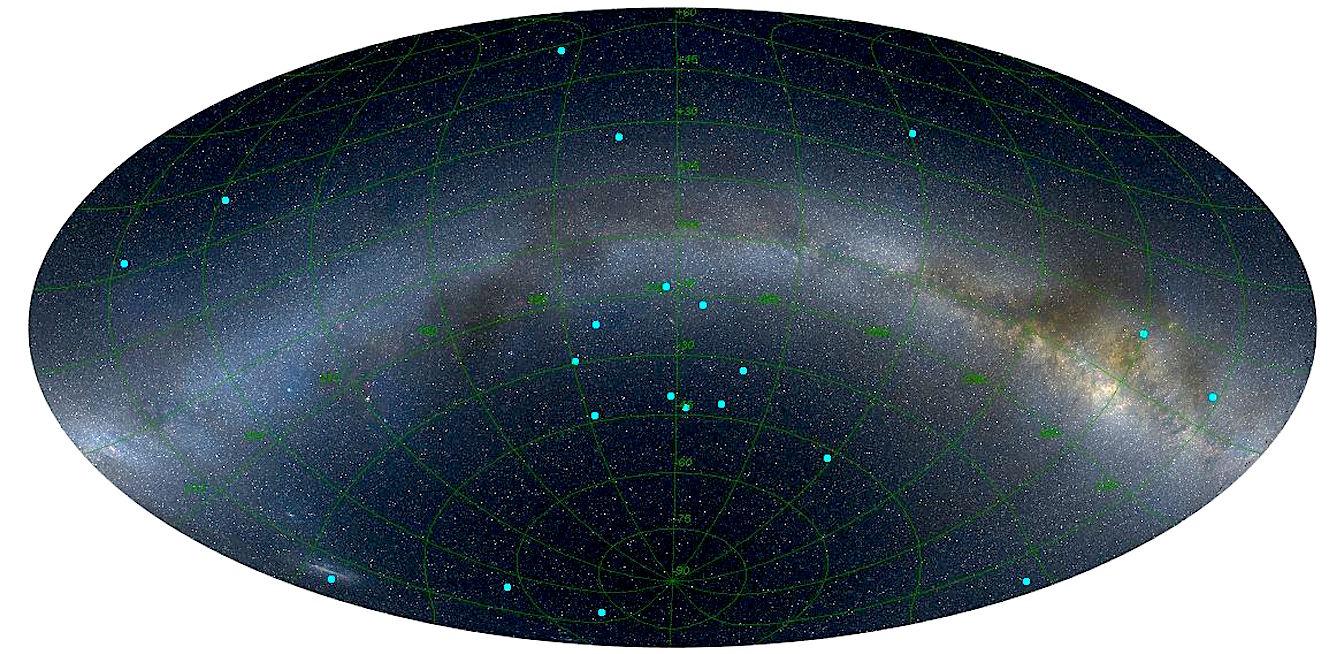
  Aug 7, 2015 Sometimes, one theory depends on another one to survive. According to a recent press release, the largest observable structure in the Universe was identified by a team of astronomers from Hungary and the United States. The vast ring of galaxies, over five billion light years in…

Continue reading

Arcos Rojos

  Aug 6, 2015 What causes colorful streaks on Tethys? As reported in previous Pictures of the Day, maps of Mimas, Enceladus, Rhea, and Dione show that they are red to some degree. All the latest maps indicate that most of them are redder on their trailing hemispheres. No one…

Continue reading