Holes in Space

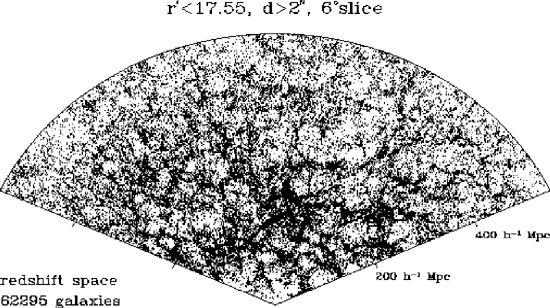
  May 23, 2014 In the gravitational model of the universe, “dark matter” attraction pulls galaxies into filaments. Birkeland currents could be a better explanation. A paper in the astronomical journals and popular press identifies an area of space as a “huge hole” completely empty of matter and energy. “Not only has no…

Continue reading

Circular Afterglow

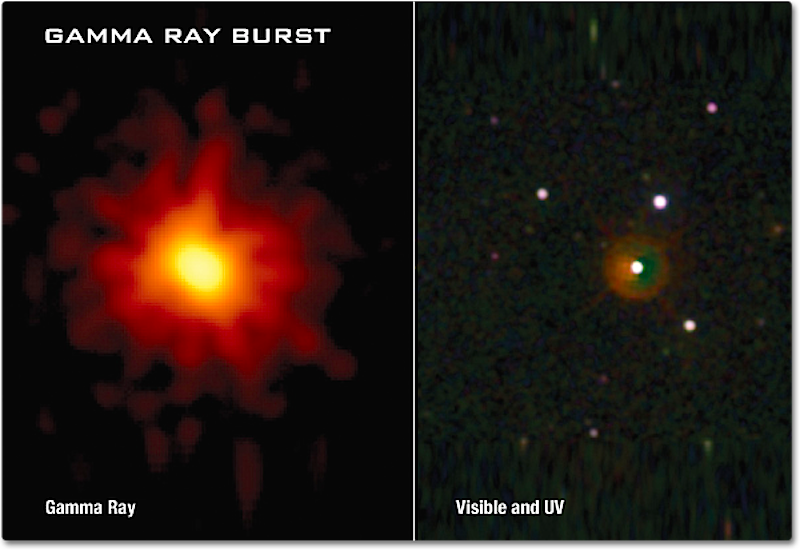
May 21, 2014 Some gamma ray bursts exhibit unusual characteristics. When charged particles are accelerated in an electric field, they emit synchrotron radiation that creates X-rays and gamma rays—something that has been demonstrated in laboratory experiments. Gamma rays are a class of theoretical “electromagnetic particles” called photons, which are said…

Continue reading

Anything Goes

  May 19, 2014 Science advances through irrational methods. “I was bold in the pursuit of knowledge, never fearing to follow truth and reason to whatever results they led, and bearding every authority which stood in their way.” — Thomas Jefferson It is a common perception that “we stand on the…

Continue reading

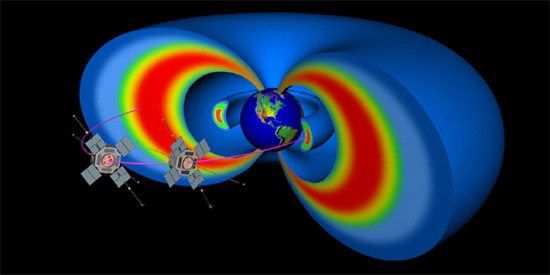
Precessional Magnetar

May 16, 2014 A toroidal magnet field is said to be embedded in a magnetar. “Magnetars” are usually classified as “X-ray pulsars (AXP)” or “soft gamma repeaters (SGR)”. As conventional theories argue, they are created when neutron stars reach magnetic field strengths measuring over 10^15 Gauss. Earth’s magnetic field is…

Continue reading

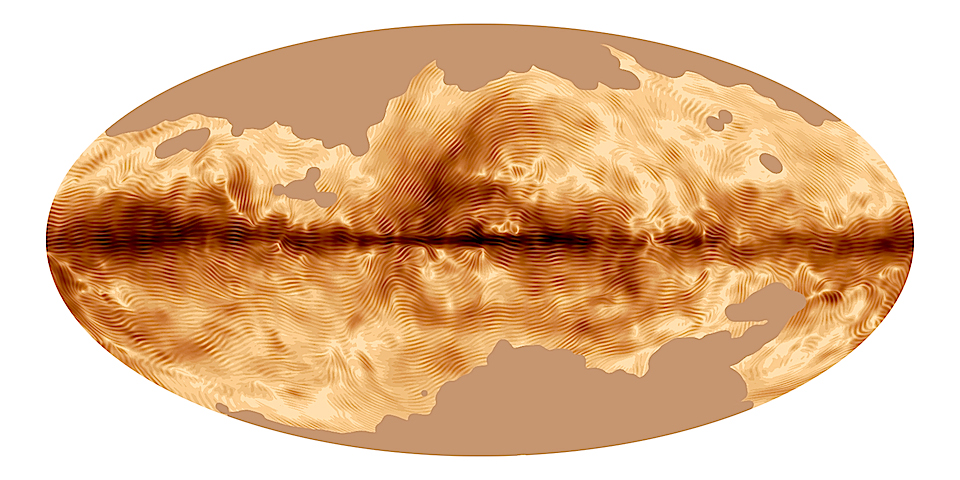
The Polarized Milky Way

May 15, 2014 Electromagnetic fields guide light in specific ways. The image above is from the Planck satellite, now defunct, that was launched by the European Space Agency (ESA) in May 2005, along with the Herschel Space Observatory, which also recently ended its mission. According to ESA, Planck’s mission was…

Continue reading

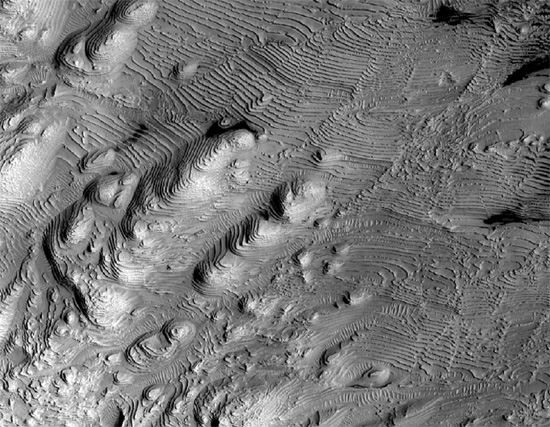
Martian Water?

  May 13, 2014 Structures on Mars that resemble Earth’s hydrothermal vents or eroded mounds have sparked renewed interest in water flowing over the Red Planet. Mounds on Mars are thought to be the remains of ancient hydrothermal vents because they have a similar appearance to fossilized “mound springs” in the Australian Outback, so…

Continue reading

Dust to Dust

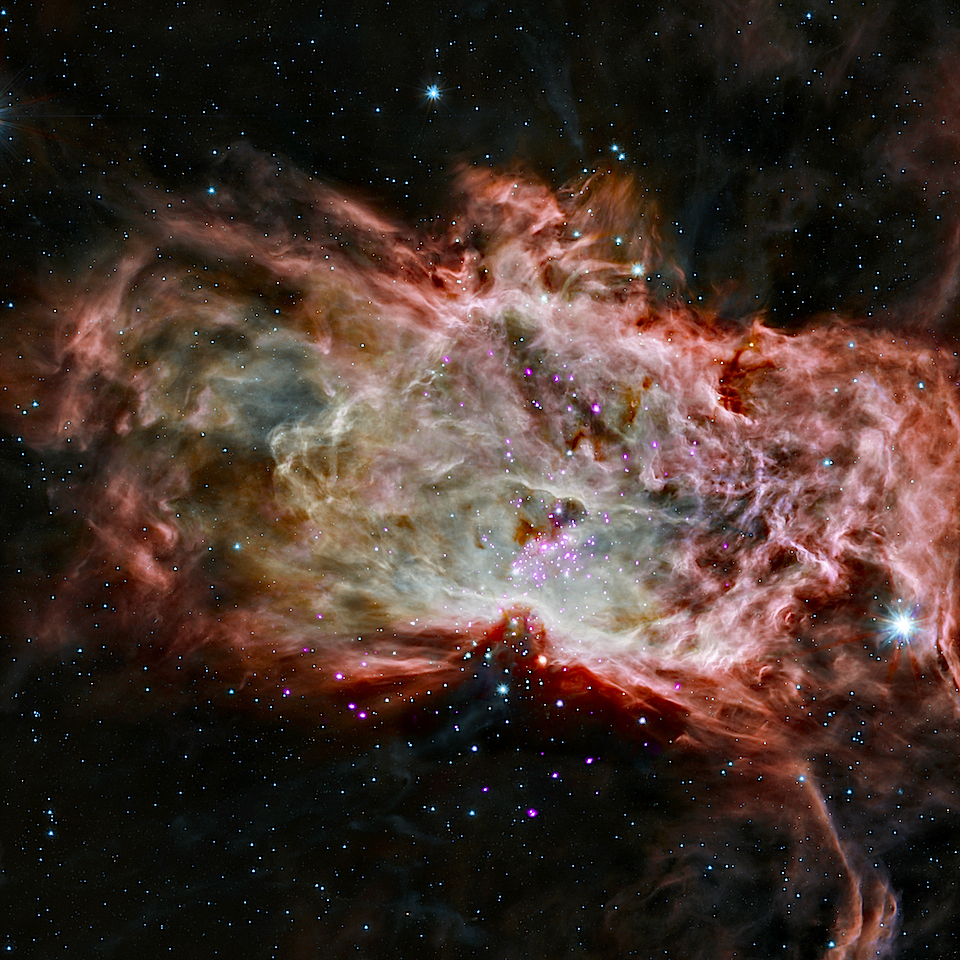
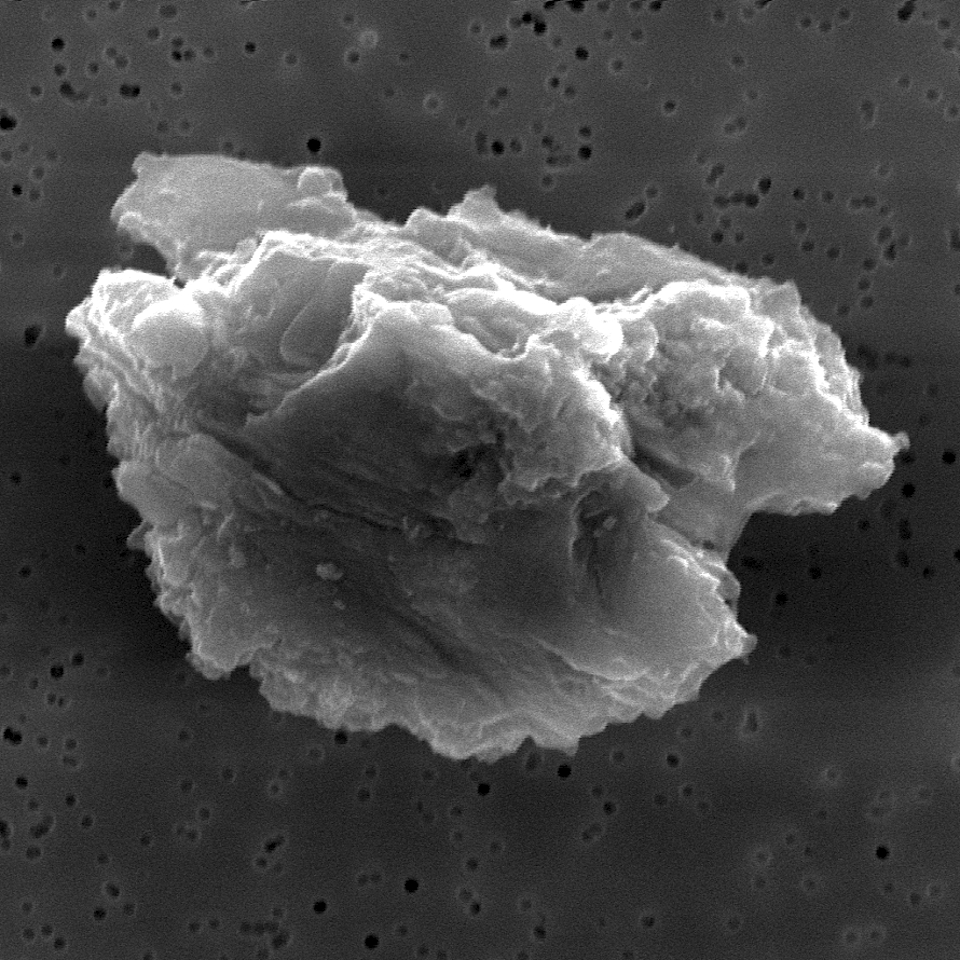
  May 09, 2014 Assembling the Universe requires dusty plasma. Dust in space is said to be formed because stars condense out of dusty protoplanetary nebulae. The current theory of star formation was originally proposed by Immanuel Kant and Pierre Simon Laplace in the Eighteenth Century. A nebula is said…

Continue reading