Electric Mercury

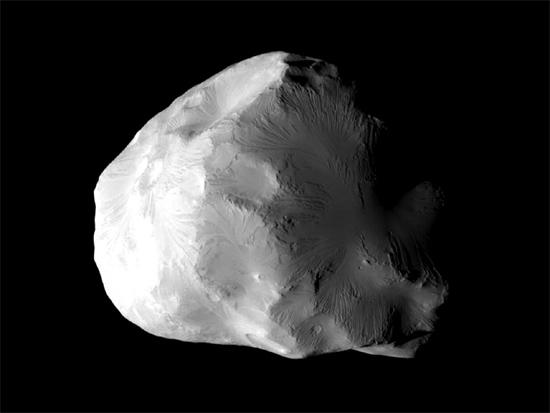
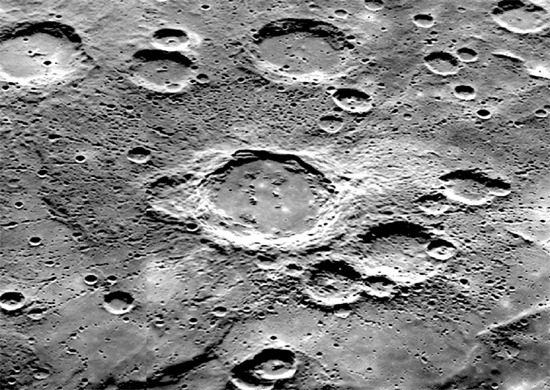
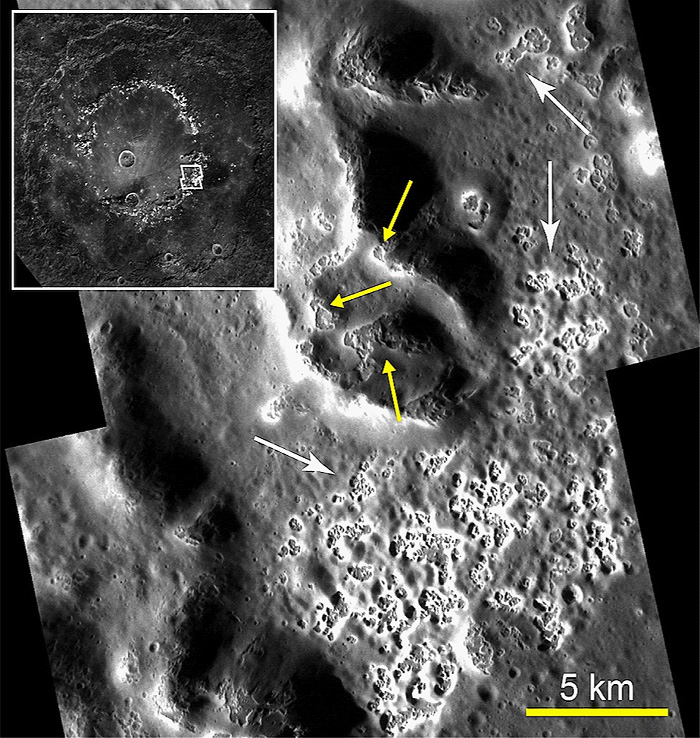
  Oct 28, 2013 In this second installment about the planet Mercury, more details about its possible electrical origin will be uncovered. MESSENGER entered orbit around Mercury on March 17, 2011 after traveling nearly eight billion kilometers. Since that time, it has sent hundreds of close-up images of the surface,…

Continue reading

Mohenjo Daro

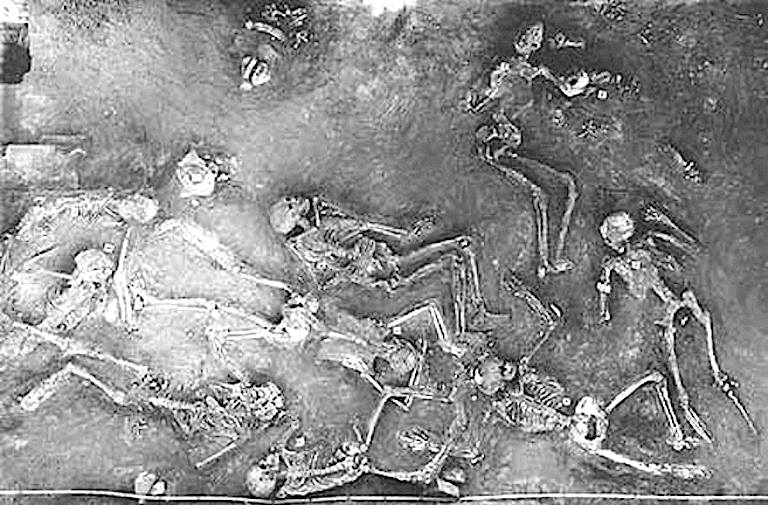
  Oct 22, 2013 Some have suggested ancient technology glassified these Indus Valley ruins but electricity is a more plausible explanation. Mesopotamia and the Fertile Crescent region are thought to be the “birthplace” of civilization and the central focus for human culture dating back to the beginning of recorded history….

Continue reading

Burned-In

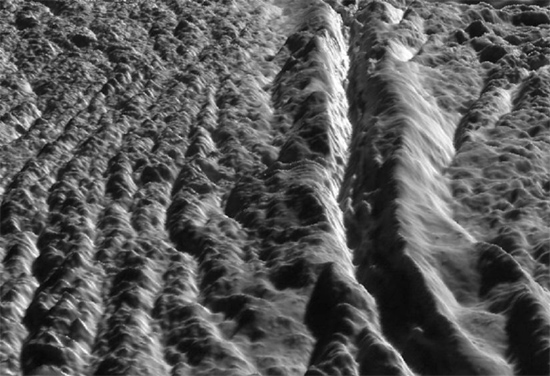
  Oct 21, 2013 Enceladus continues to confirm the electrical nature of its topography. Saturn’s moons are difficult to categorize, let alone explain. As previous Picture of the Day articles point out, they vary in composition, orbital inclination, size, and mass. With 61 moons now identified, Saturn appears more like…

Continue reading

Andromeda’s Mother

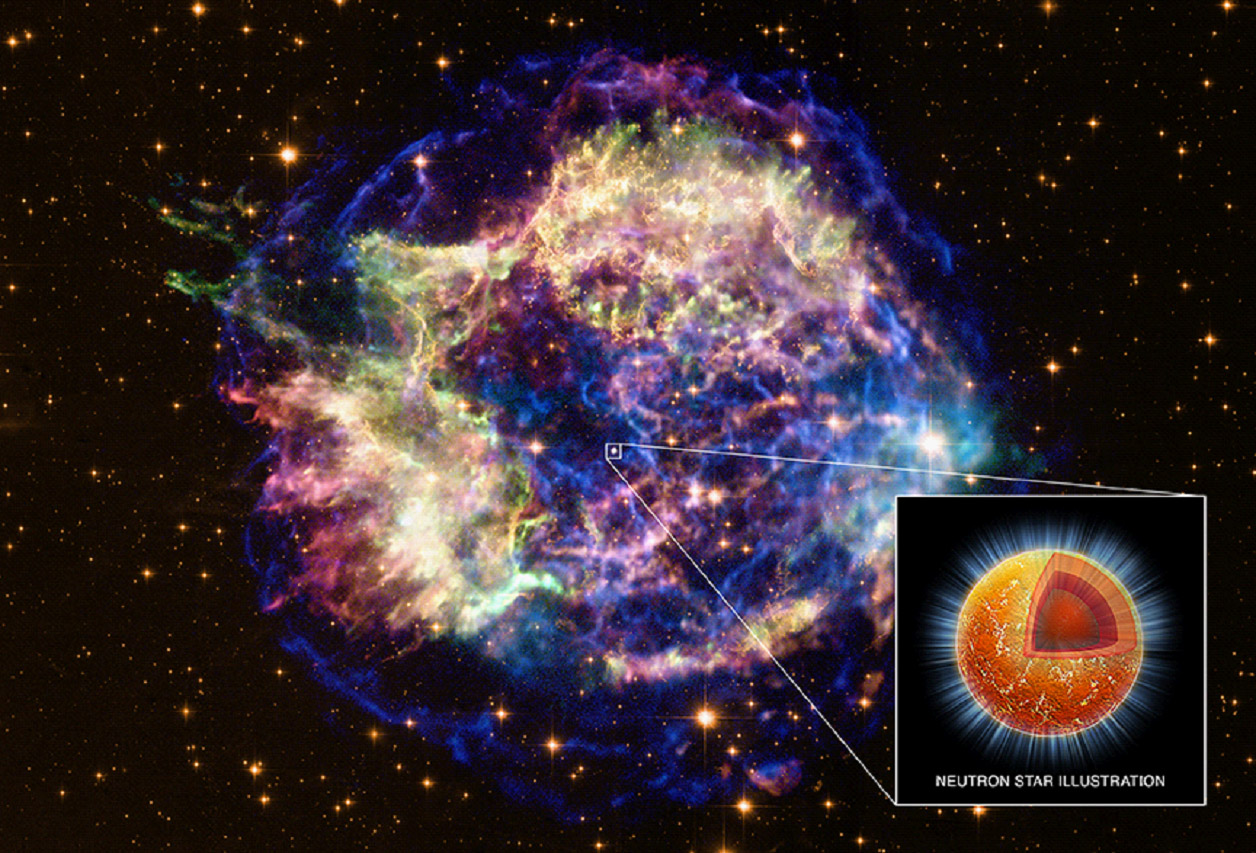
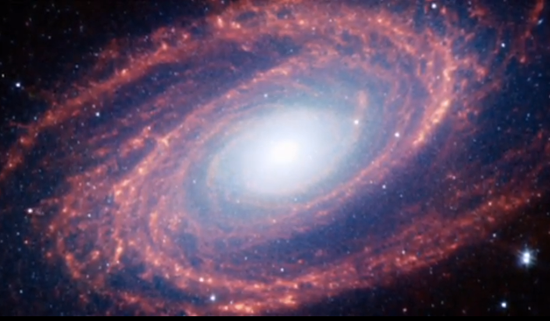
  Oct 18, 2013 Rather than searching for exotic explanations, this celestial object can best be described using plasma physics. According to astronomers from the Chandra X-ray Observatory, the so-called “supernova remnant” Cassiopeia A (or “Cas A”) harbors a strange passenger within the neutron star that is supposed to inhabit…

Continue reading

Electric Devils

  Oct 16, 2013 Martian dust devils exhibit electrical characteristics. There are also electric whirlwinds on Earth. As long ago as March 2005, Electric Universe advocates wrote about the surprising discovery of dust devils spinning across the Martian deserts. Cameras in space, as well as on the Martian surface returned many images of…

Continue reading

Daughter of Uranus

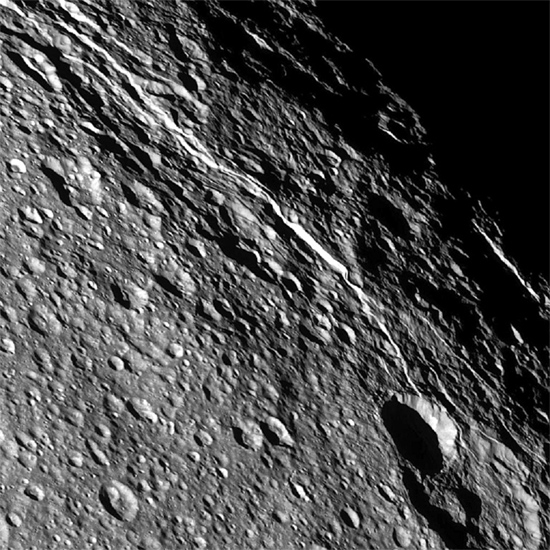
  Oct 15, 2013 Craters cover the entire surface of this moon. Rhea is another of Saturn’s moons that bears examination in light of electrical theories. Rhea’s mean diameter is 1528 kilometers, so it is medium-sized in Saturn’s family of moons. Even though it is small, the entire visible surface of Rhea…

Continue reading