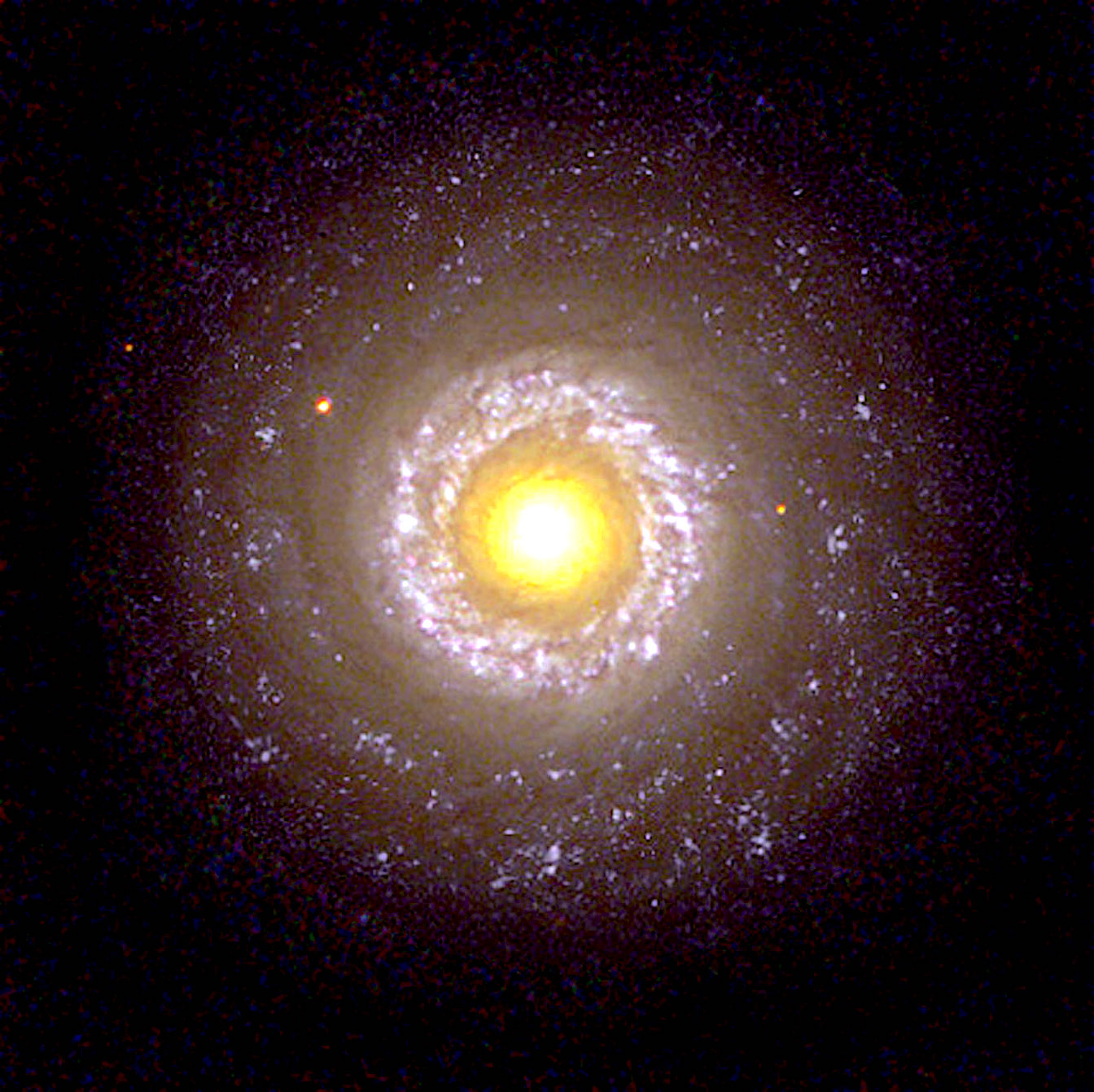
Galactic Plasma Gun

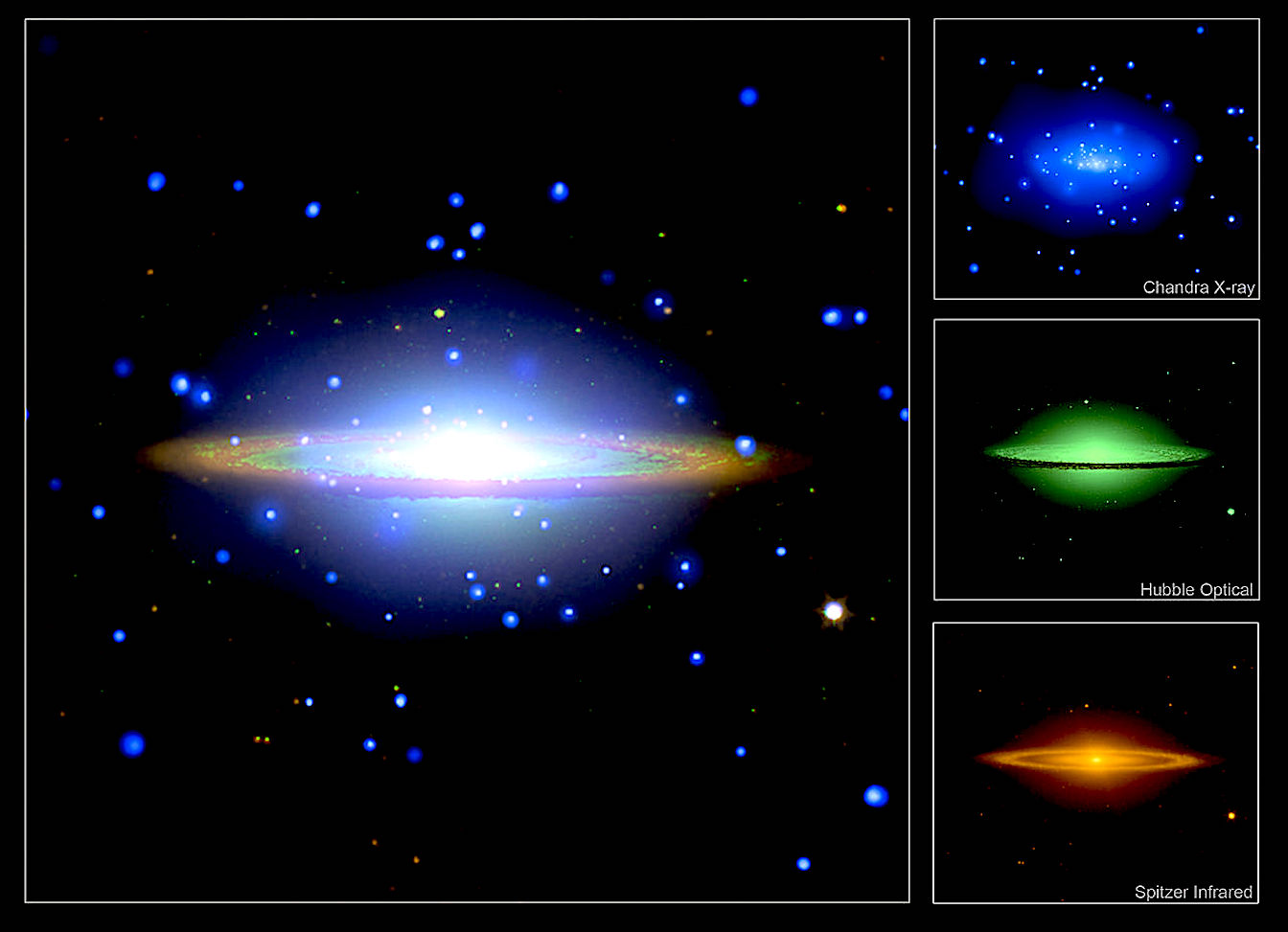
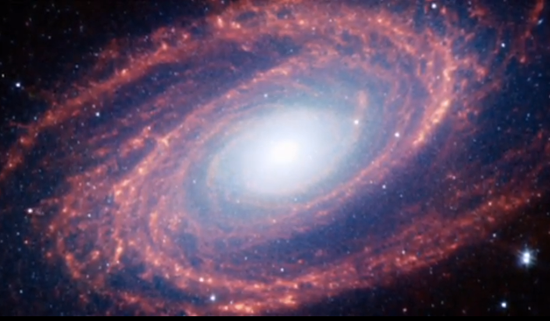
  Jun 10, 2016 Does electricity energize the galaxies? In the cosmos there are regions where stars range in thousand light-year lines. Elsewhere, rings of stars can be found, along with galaxies stretching in filaments for enormous distances. The Milky Way contains over 200 billion stars in its spiral arms…

Continue reading

Conspicuous Absence

  Jun 9, 2016 Astronomers see magnetism but not electricity. According to a recent press release from Princeton University’s Plasma Physics Laboratory (PPL), scientists working with dynamos (an abbreviation of the nineteenth century term, electric-dynamo) think they found clues to “an enduring mystery…how stars and galaxies acquire their magnetic fields.” As…

Continue reading

Wired Together

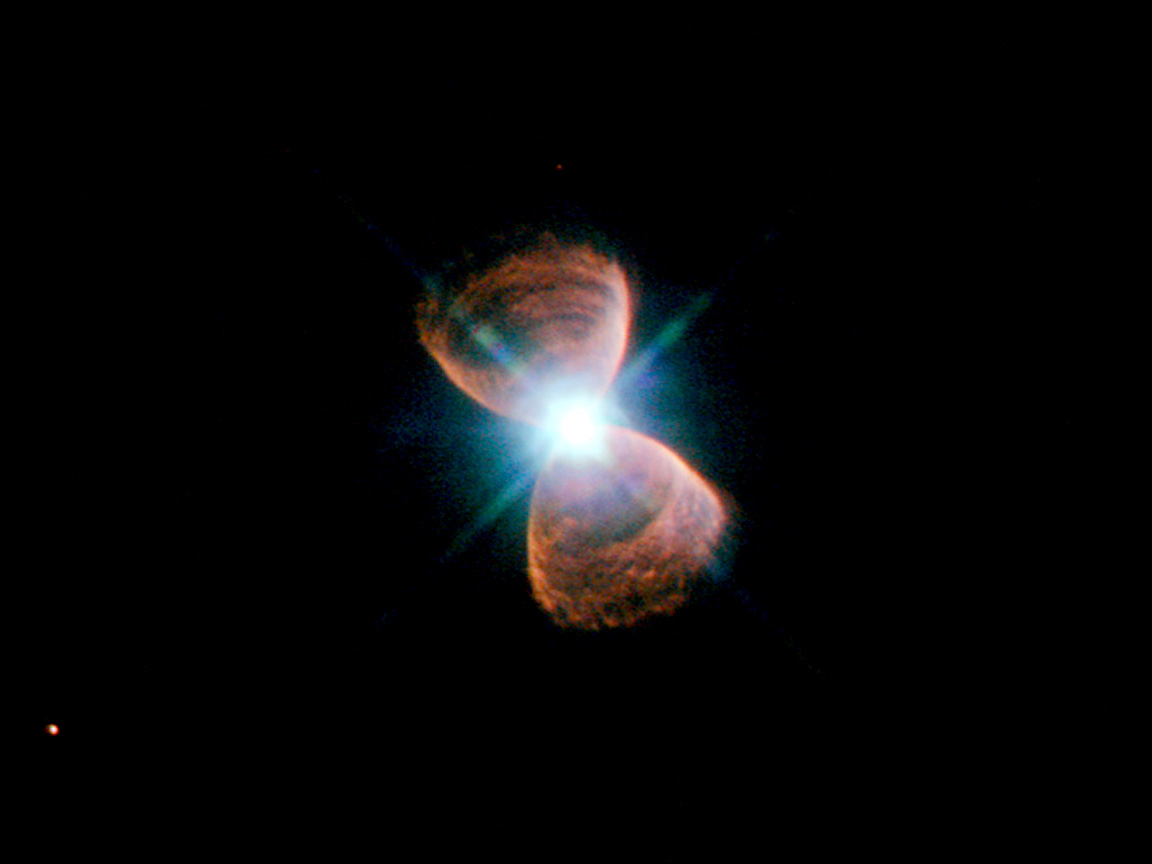
  Jun 8, 2016 Supernova remnants align with the Milky Way. Recently, astronomers found a connection between what they refer to as supernova remnants (SR) and the rest of the galaxy. When data from several instruments was inserted into their computerized model-maker, it was found that bipolar SRs, in particular,…

Continue reading

No Dynamo Hum

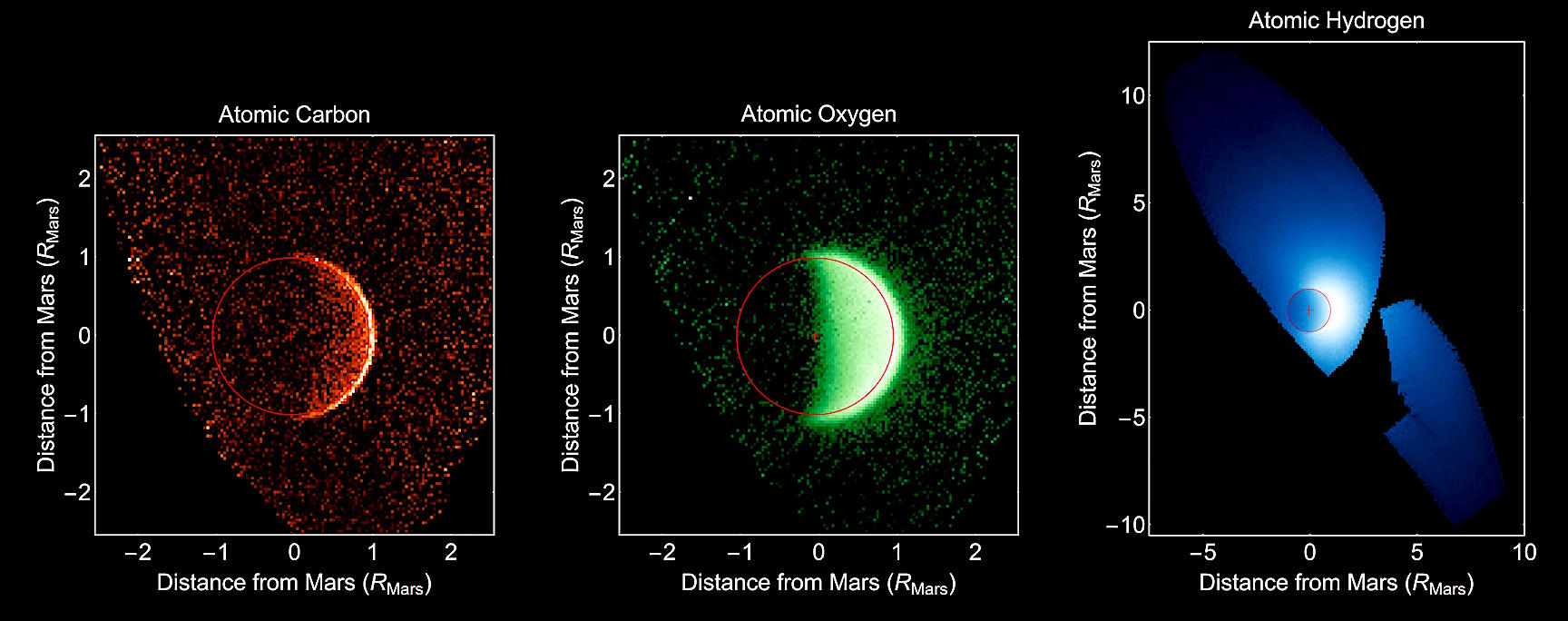
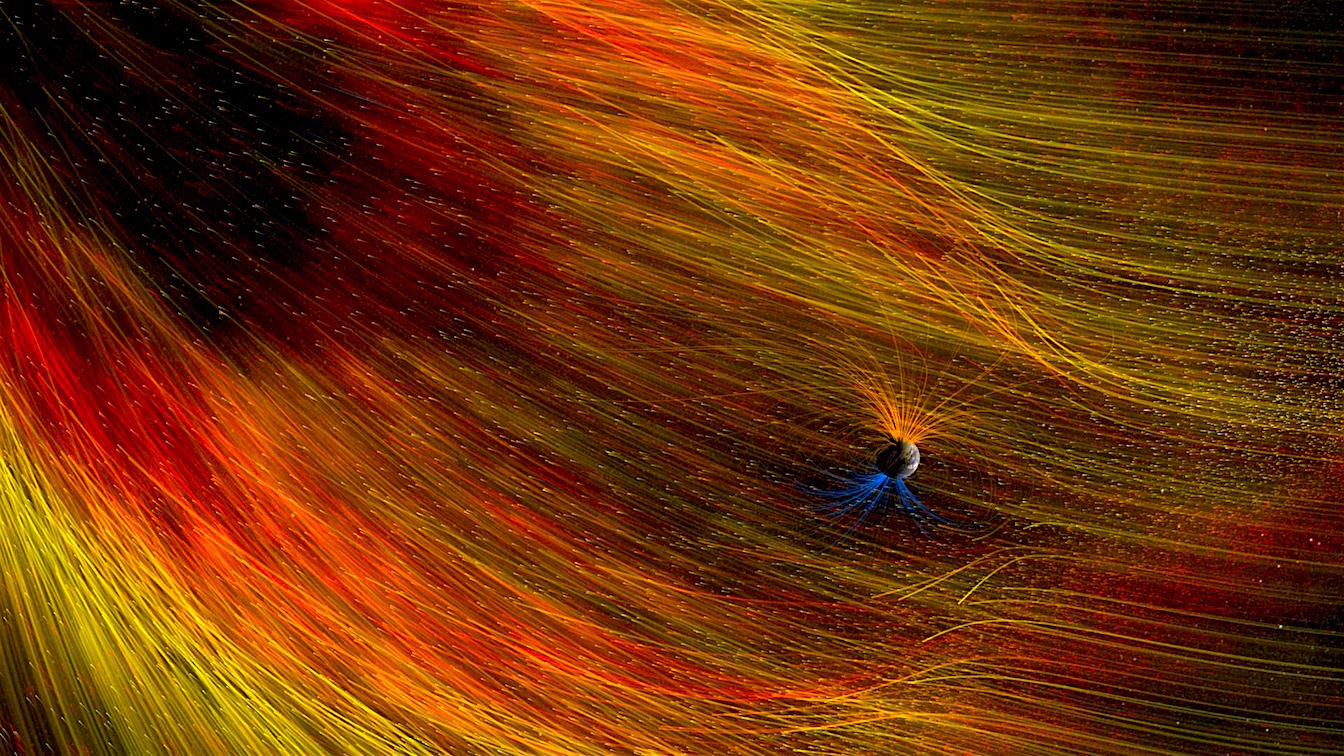
  May 7, 2016 Was Mars once warm and lush? NASA launched the Mars Atmosphere and Volatile Evolution Mission (MAVEN) on November 18, 2014 on a year-long investigation of Mars’ upper atmosphere, its ionosphere, and how it interacts with the solar wind. The spacecraft is fitted with instruments that are…

Continue reading

Cryptic Ellipse

  Jun 6, 2016 Are spiral galaxies really elliptical? Dr. Anthony L. Peratt, a plasma physicist and protégé of the Nobel laureate Hannes Alfvén, studied plasma formations in the laboratory for many years, monitoring short-duration z-pinch effects, as well as creating particle-in-cell animations using the best supercomputers available. He concluded that galaxies, rather…

Continue reading

Super Spot

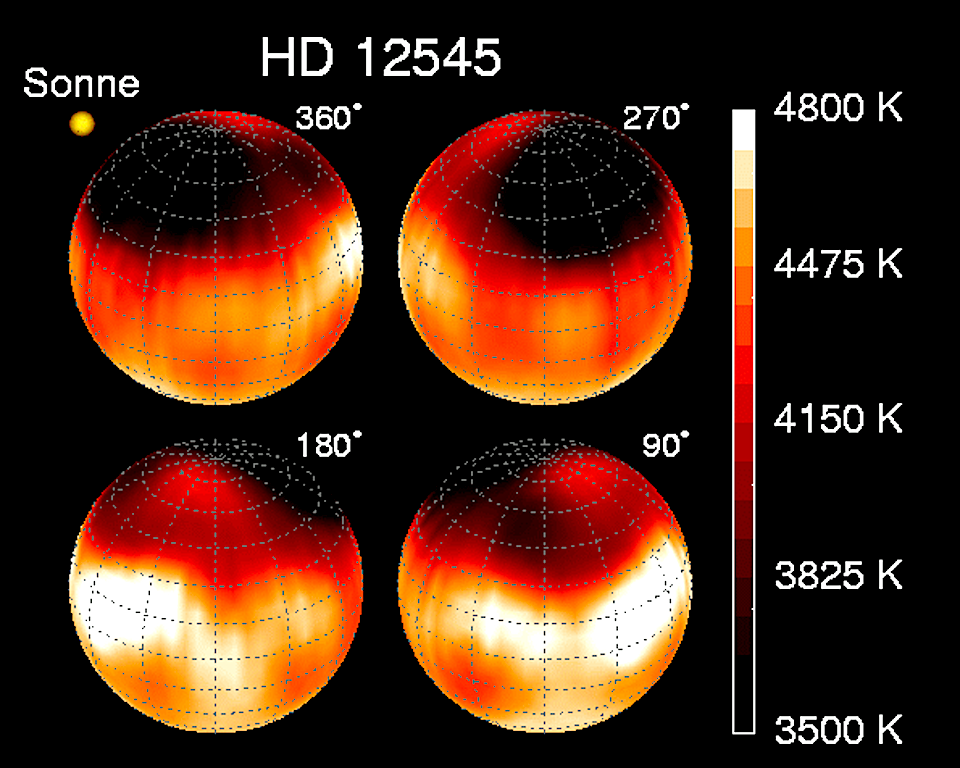
  Jun 2, 2016 A star with a spot out of proportion to its size. According to a recent publication, “starspots” are seen on the surface of XX Trianguli, otherwise known as HD 12545. The puzzling aspect is that there is only one spot visible and it covers almost one-third…

Continue reading

Ion Beams

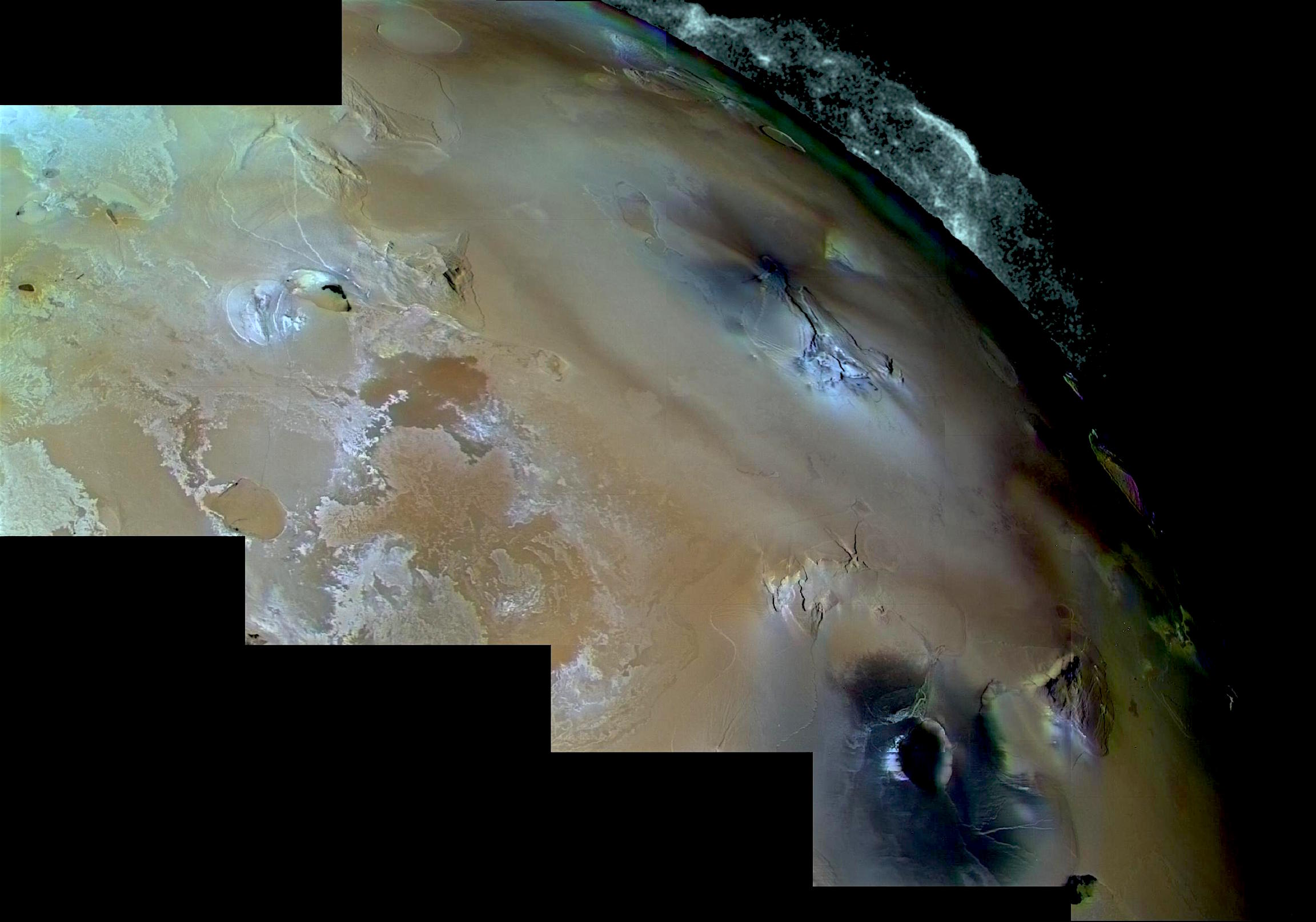
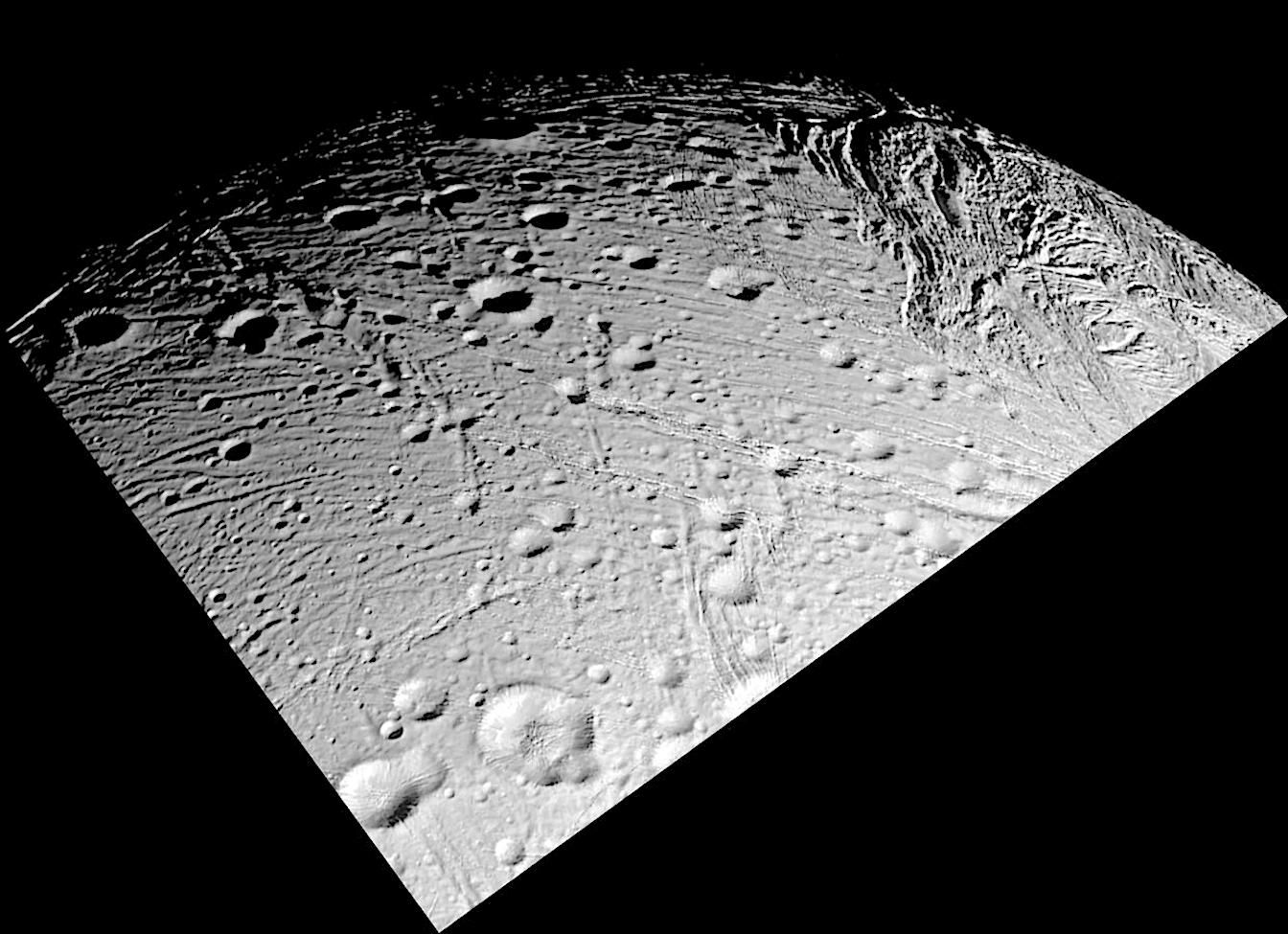
  Jun 1, 2016 Electricity is the active agent on Enceladus. A previous Picture of the Day announced that the Cassini space probe, currently orbiting Saturn, was about to fly through one of the plumes of vapor that erupt from the southern plains of its moon, Enceladus. Enceladus is a…

Continue reading

Star Wires

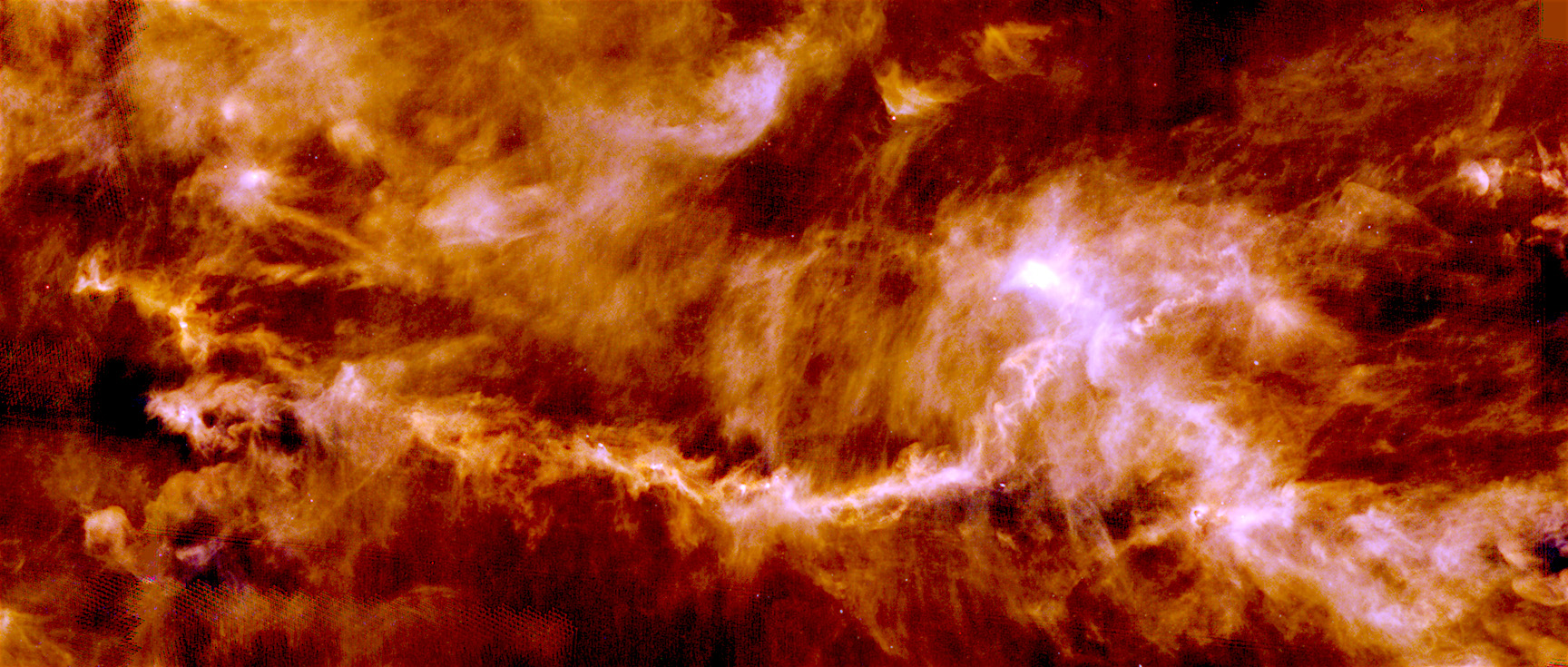
  May 31, 2016 Galaxies are threaded through with filaments. The Herschel Space Observatory was launched with the largest spaceborne mirror ever constructed: 3.5 meters in diameter. Herschel was set to orbit around LaGrange point L2 in July 2009, to protect its liquid helium-cooled infrared detectors. However, Herschel’s helium coolant…

Continue reading

The Truth Will Out

  May 30, 2016 Astronomical research tends to instigate foregone conclusions. The Picture of the Day never considers questions that requires a search for subjective meaning in the Universe. Analyzing the observations from NASA and others is enough, in most instances, to draw correspondence between theories in peer-reviewed journals and…

Continue reading