Category: Picture of the Day
A picture and essay from the perspective of the Electric Universe.
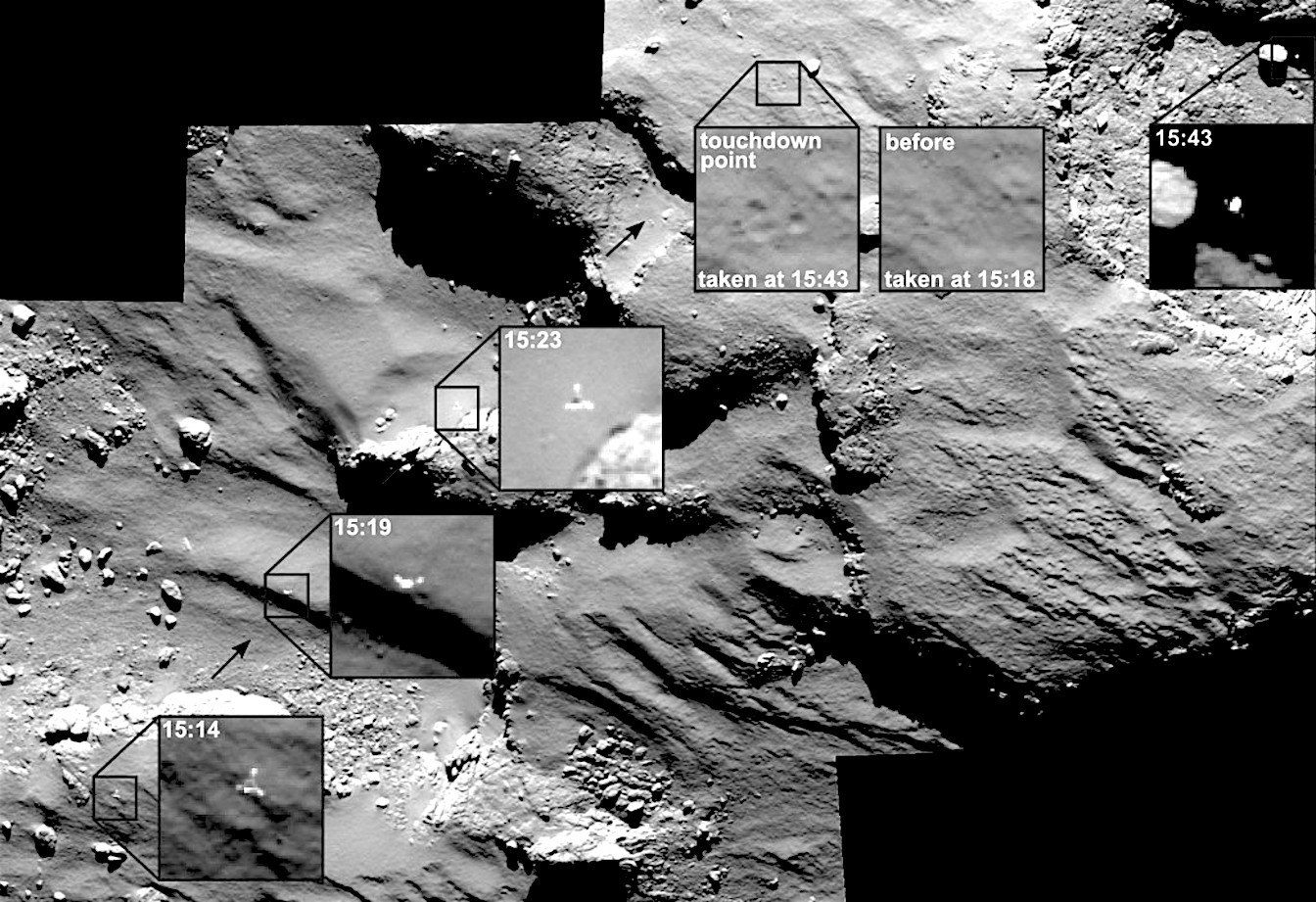
A Charged Comet
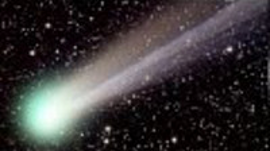
Nov 10, 2016 Cometary electromagnetic fields are influenced by the Sun. According to a recent press release, the Rosetta Cometary Probe found what appears to be a “magnetic free region” around the nucleus of Comet 67P/Churyumov-Gerasimenko. This observation fits with previous data from the Philae lander, which found that…
Matter, Charge and Conjecture
Nov 9, 2016 Electricians know the electric force is 39 orders of magnitude stronger than gravity, and the graviticians know the gravitational force is 40 orders of magnitude stronger than electricity. This misses the point. On the purely mathematical level, you can plug numbers into the equations to get…
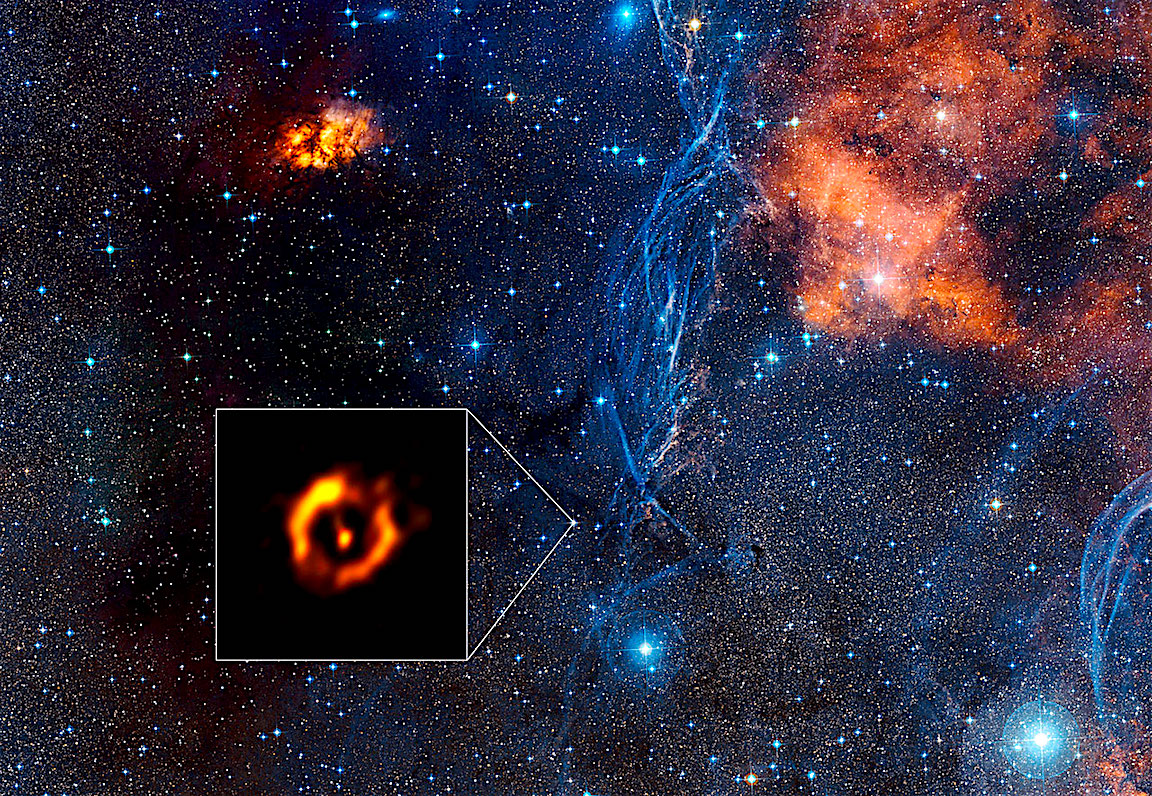
A Disk in the Dust
Double Layer Flare-up
Nov 7, 2016 Electricity in space explains anomalous energy curves. Cosmologists often find it difficult to reconcile theory with observation. So-called “gamma-ray bursts” (GRB) are a case in point. GRBs were discovered first in galaxies with high redshift—some seeming to be 12 billion light-years away. If they are that…
Under the Sun
Nov 4, 2016 The Sun displays electric arc behavior. The sun is new each day. — Heraclitus The Electronic Sun theory presupposes that sunspots, flares, coronal heating, and coronal mass ejections are due to changes in the Sun’s galactic electrical supply. The contention is that the Sun is powered externally,…
Ripples in Clear Space
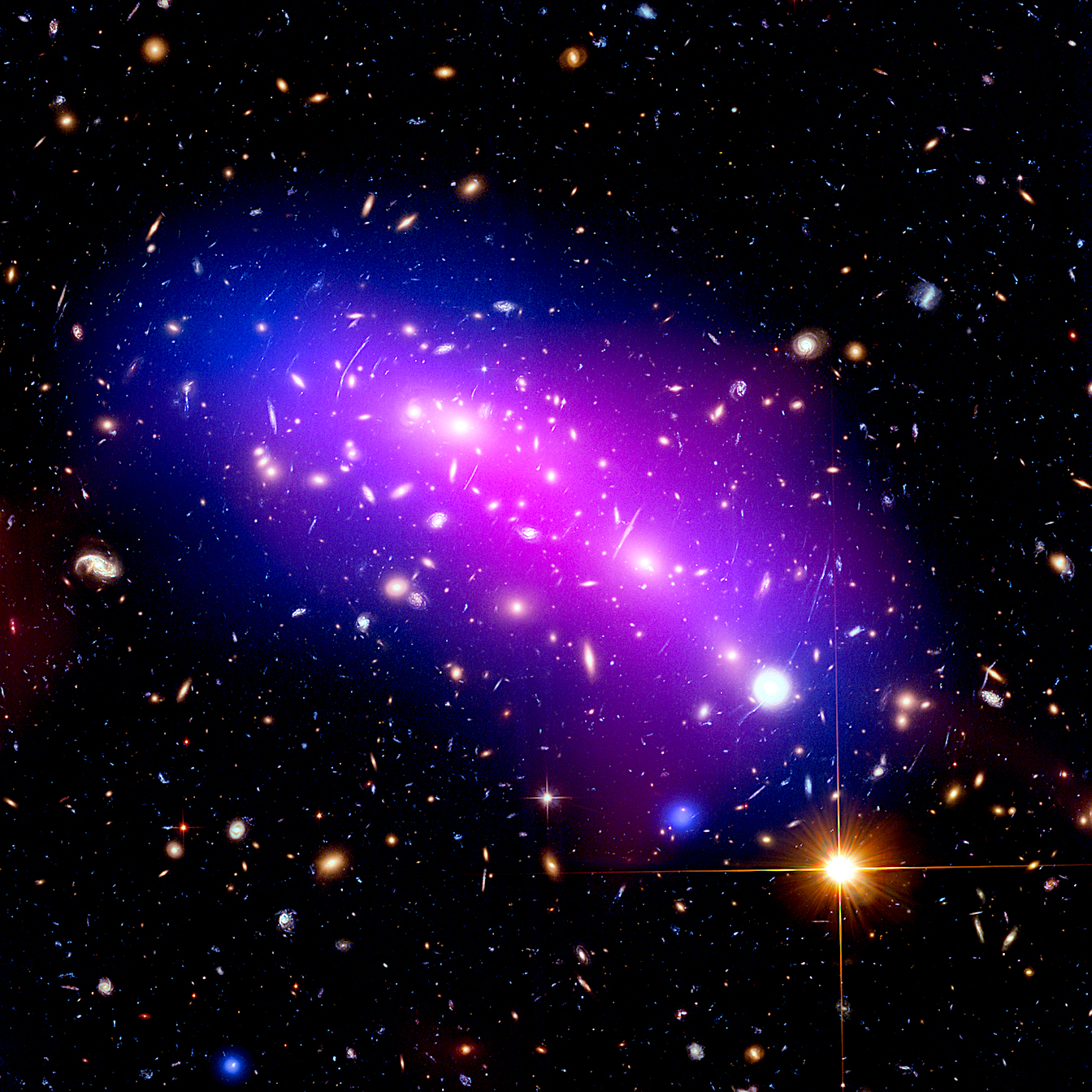
Nov 3, 2016 Where do galactic clumps and filaments come from? One proposal suggests that galaxies are drawn toward the center of galactic clusters through gravitational attraction. What is termed, “blow-back force” by astronomers supposedly pushes galaxies out and away from the direction of travel like a vast comet tail….
Electric Goddess
Double Trouble
Behind the Veil
Oct 31, 2016 Picture of the Day articles argue for electrical interpretations. Every science journal describes the formation of nebulae like NGC 6960, the Veil Nebula, as due to “blowing winds” created by shock waves from exploding stars. Nebulae are often described as “star factories”, because consensus astronomers think…