The Daughter of Lycaon

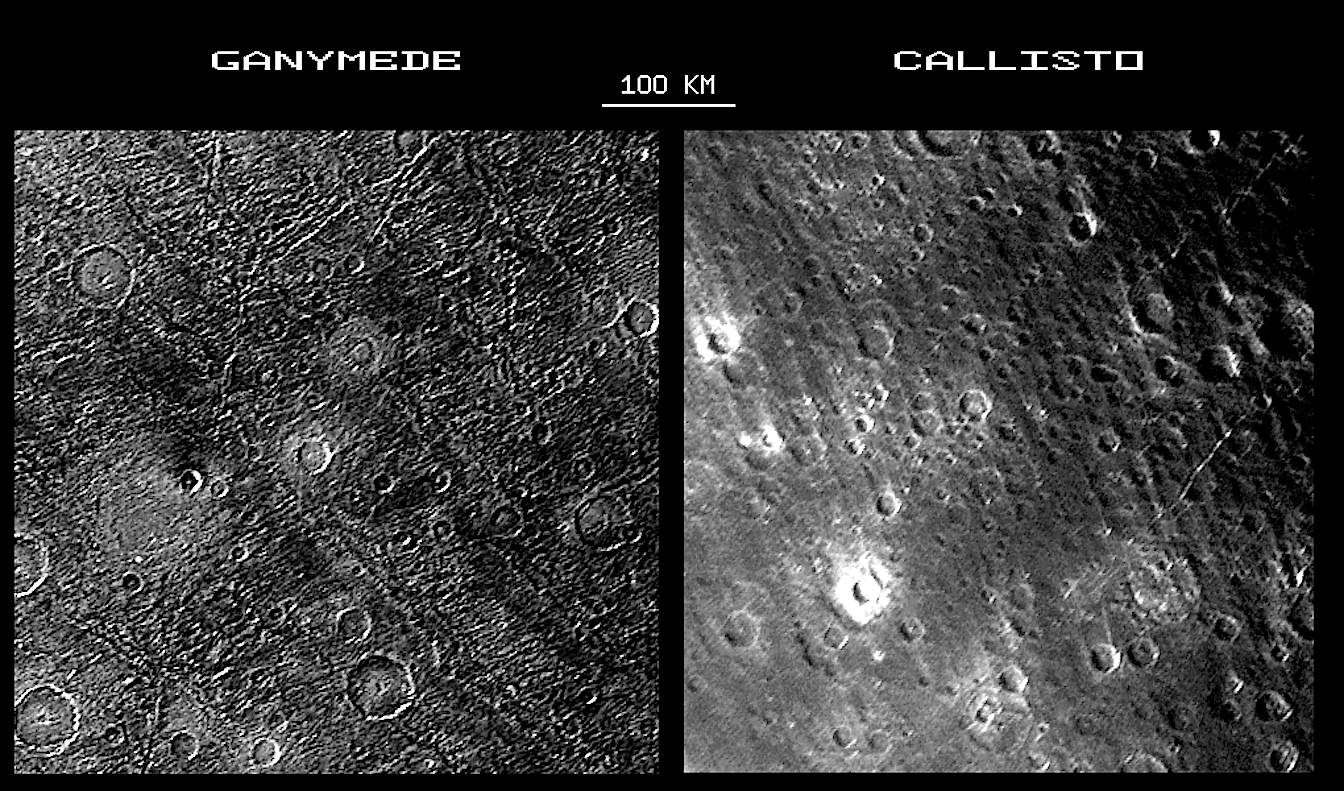
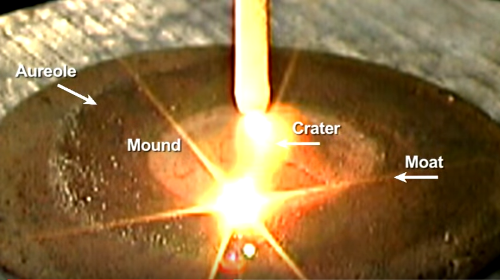
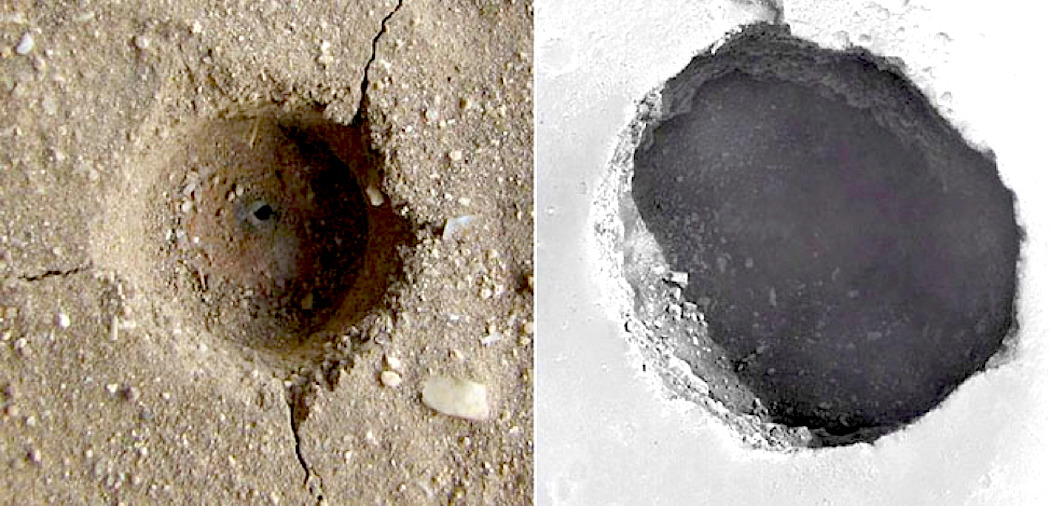
  Jun 18, 2015 Callisto resembles other electrically shocked bodies in the Solar System. The Galileo spacecraft was launched October 18, 1989 after a delay lasting several years, while NASA underwent a management and procedures overhaul following the Challenger space shuttle explosion. On September 21, 2003 Galileo’s mission ended when it…
Continue reading

Lacking in Strength

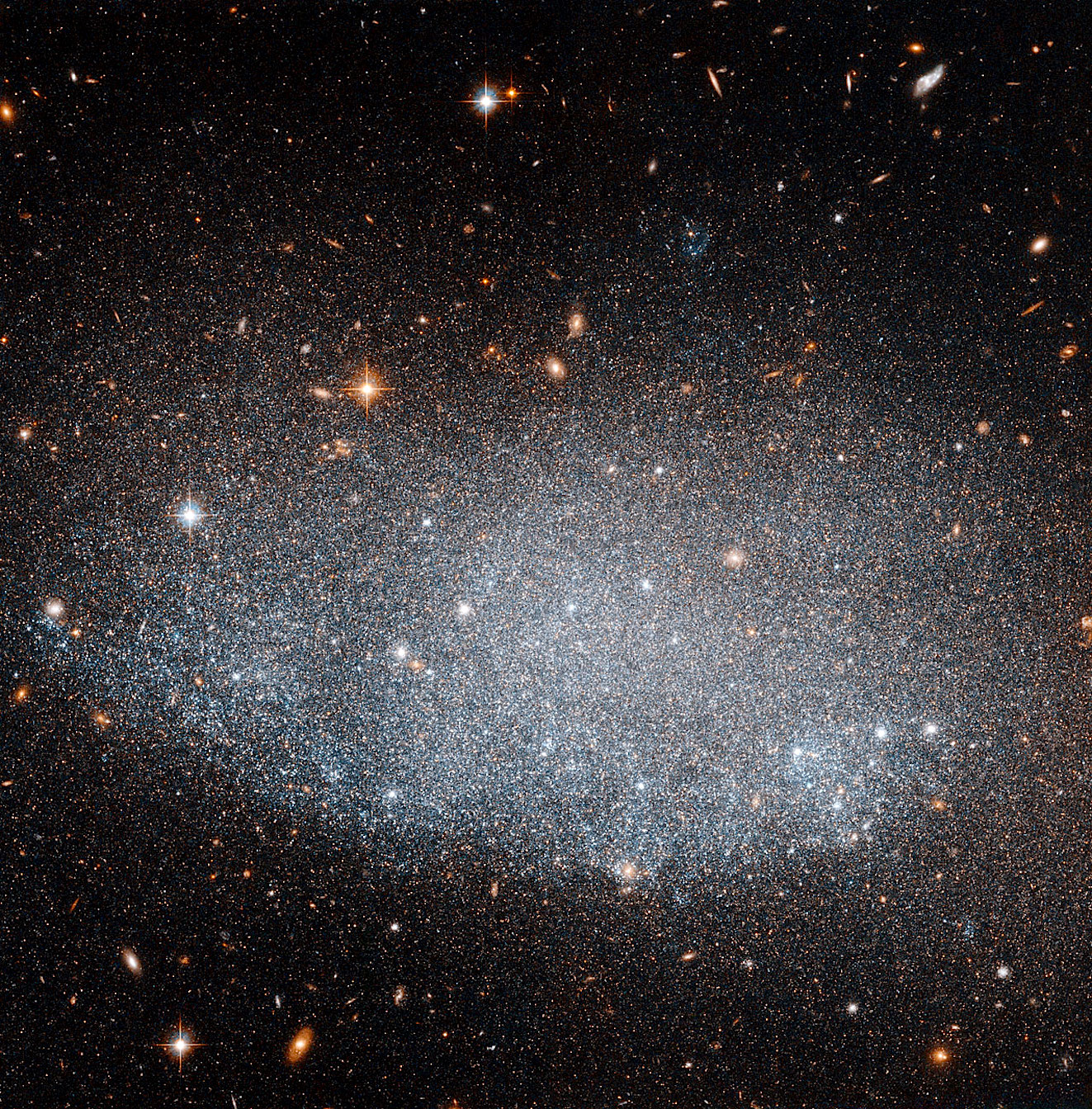
  Jun 15, 2015 Dwarf galaxies do not appear to follow conventional models of galaxy development. The Milky Way galaxy is not a solitary wanderer; it is accompanied by dozens of smaller galaxies with a more diffuse and irregular structure. As conventional models suggest, there are too few dwarf companions…

Continue reading

Jet Setters

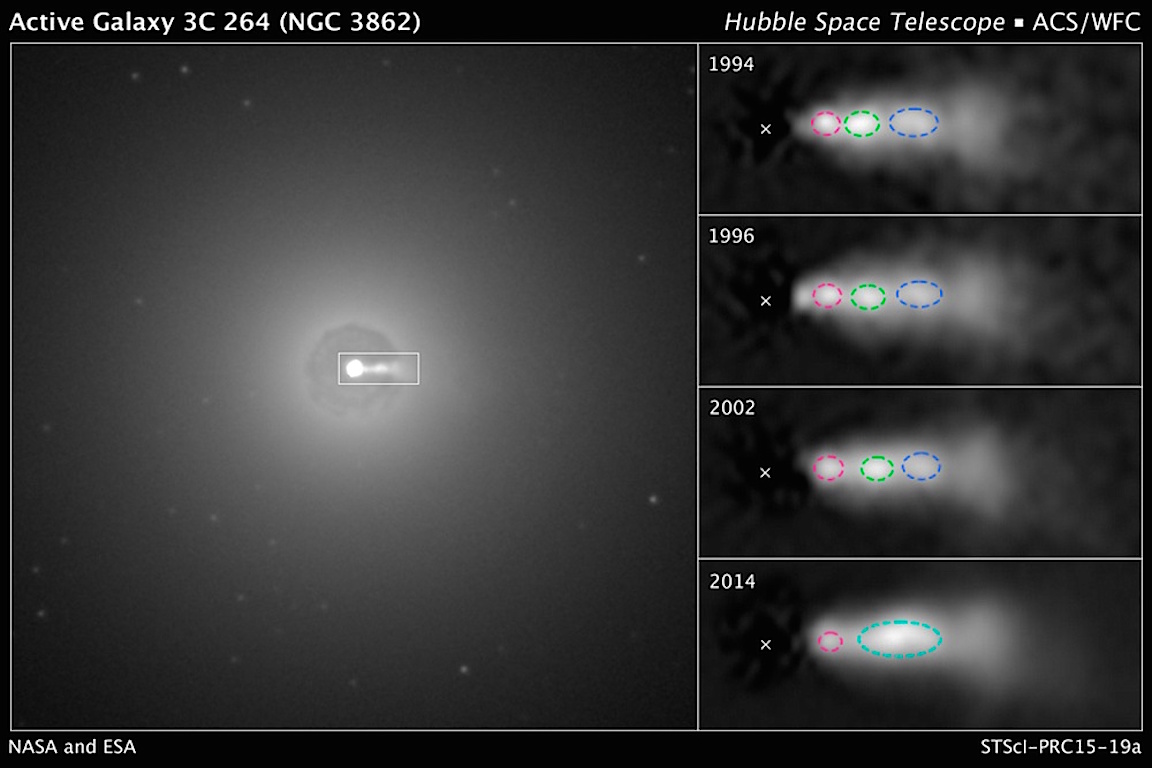
  Jun 5, 2015 What force creates energetic beams that span distances measured in light-years? What confines them into narrow jets? Explaining the jets of ionized particles and X-rays often seen erupting from various galaxies and quasars ranks as one of the most difficult tasks facing modern astronomers. The prevailing…

Continue reading

Plasma Igniters

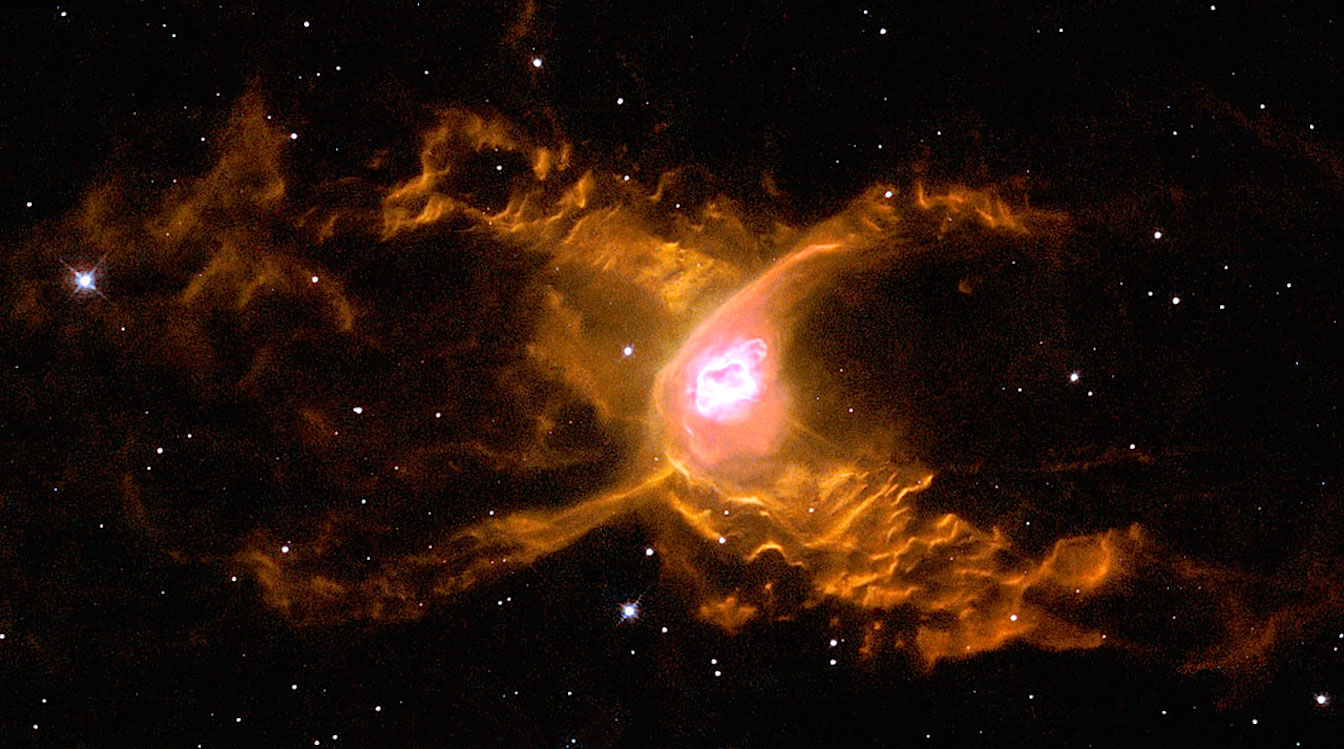
The Red Spider Nebula: Surfing in Sagittarius - not for the faint-hearted!

  Jun 3, 2015 Most nebulae exhibit the unmistakable characteristics of electrical activity. Previous Thunderbolts Picture of the Day articles argue for an electrical interpretation of astrophysical observations. It is an alternative available for those who want extracurricular exploration and deeper levels. Every science journal describes nebulae like NGC 6537…

Continue reading

Fibers of Being

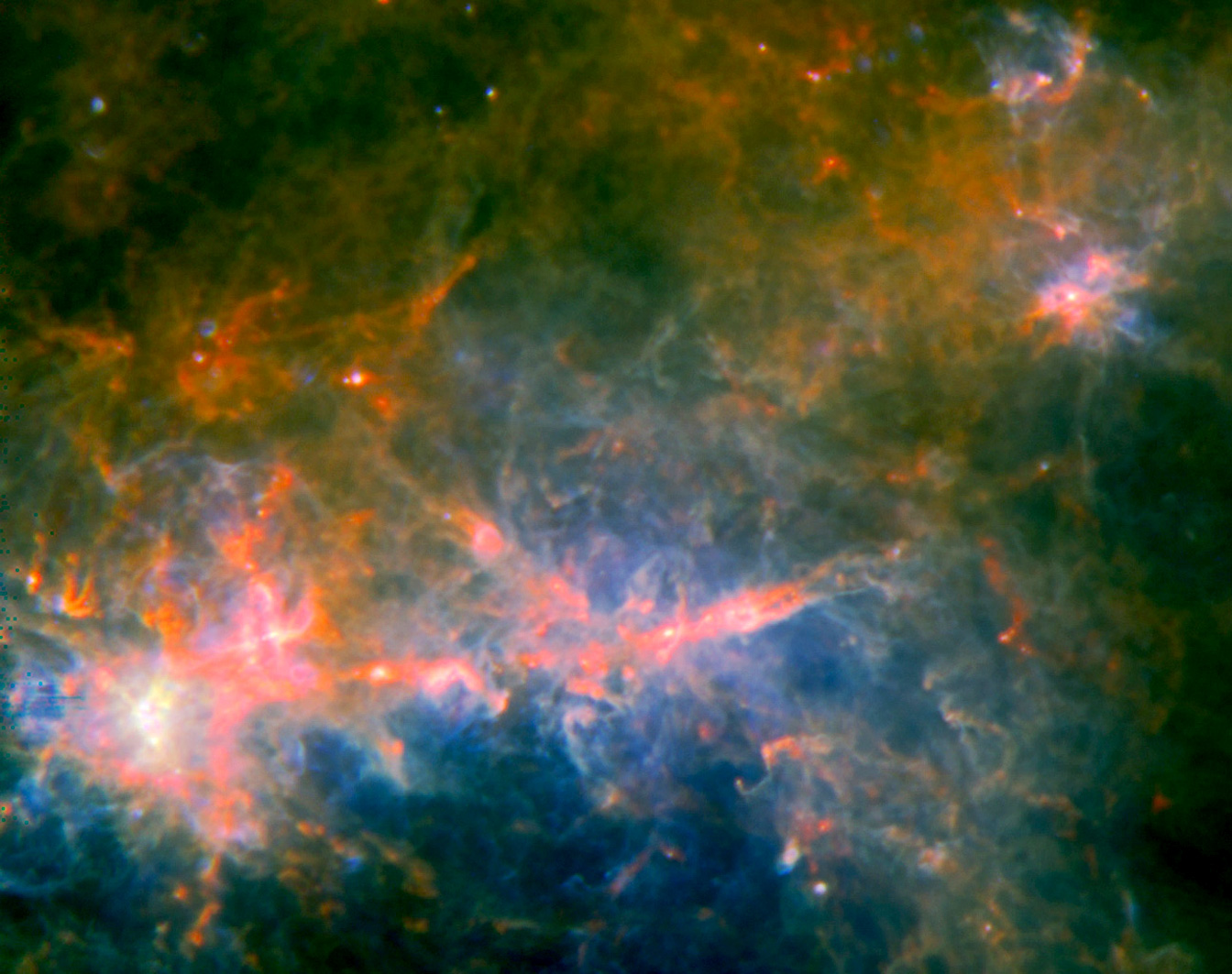
  Jun 1, 2015 The Milky Way is more complex than previously thought. Any substance containing charged particles is a plasma: electrons, positive ions, electrically charged dust, neon lights, lightning, planetary magnetospheres, the so-called “solar wind,” stars, and even galaxies are plasma. However, Electric Universe advocates do not consider plasma…

Continue reading

X-clamation

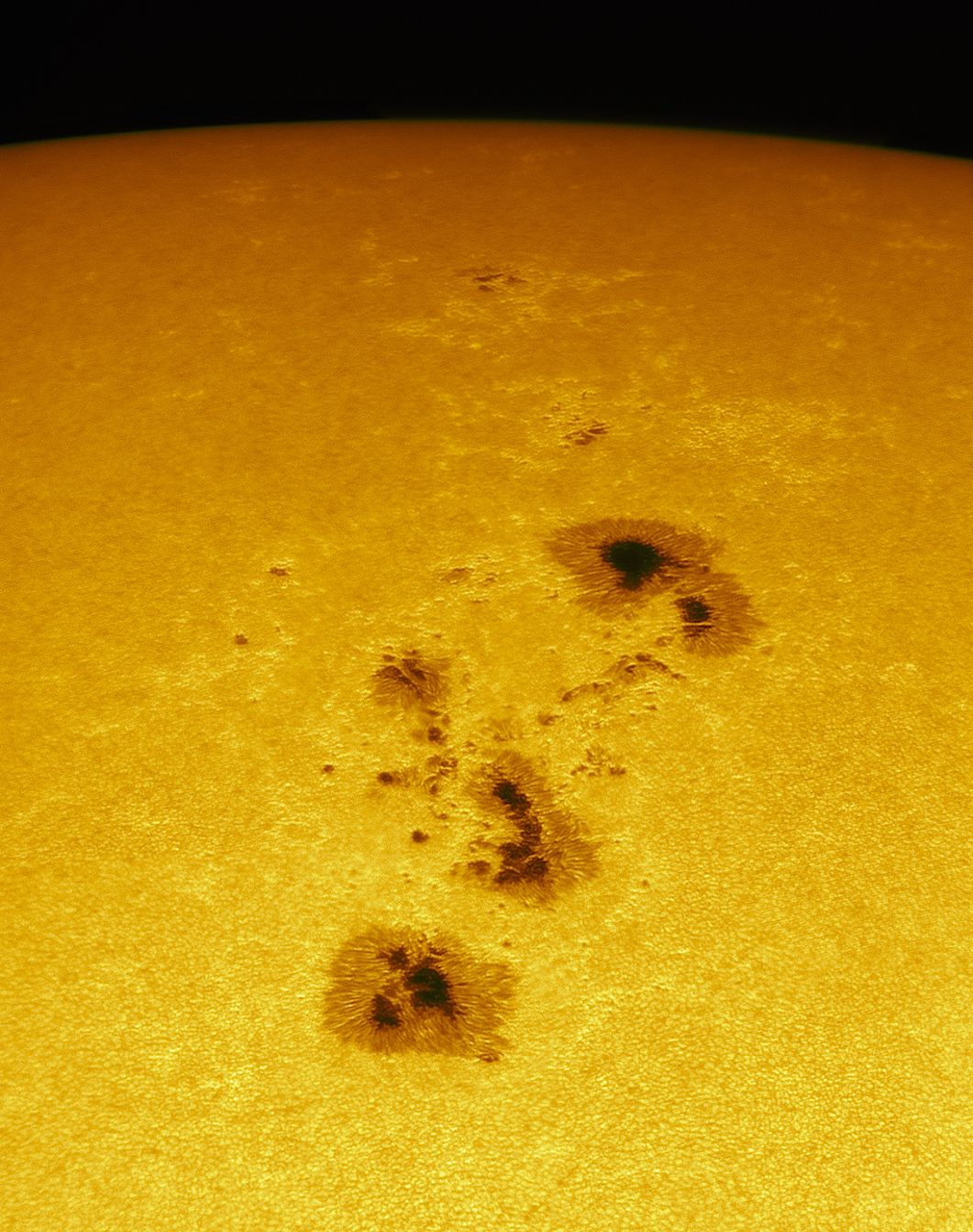
  May 29, 2015 An X-2 class solar flare recently missed a direct impact with Earth. Heliophysicists classify solar flares according to their brightness in X-ray wavelengths. C-class flares are the smallest on the scale, with X-ray measurements in the 10^-6 watts per square meter range (W/m^2), while X-class flares…

Continue reading

Life on Europa?

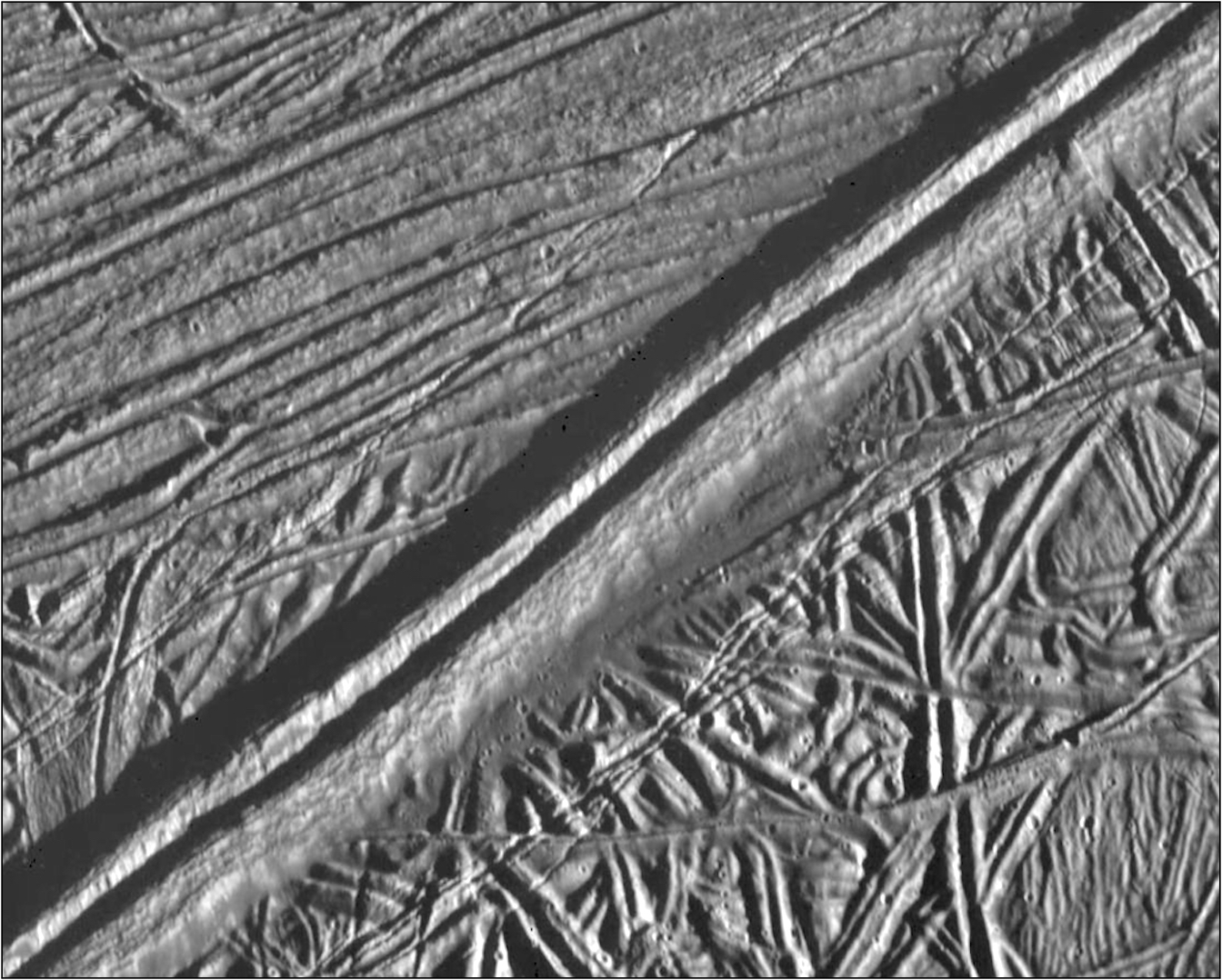
  May 28, 2015 The definition of “life” can be ambiguous. The Galileo spacecraft was launched on October 18, 1989 from the Space Shuttle Atlantis, and subsequently entered orbit around Jupiter on December 7, 1995. After eight years in orbit, Galileo was deliberately incinerated by sending into the atmosphere of…

Continue reading

Unloading Excess Baggage

  May 27, 2015 Why some stars shed their atmospheres is a mystery. For many years, astrophysical models of stellar evolution have relied on mechanical action. The forces that shape the stars are attributed to the collapse of cold gas under gravitational influence. Common viewpoints see stars as whirling vortices…

Continue reading